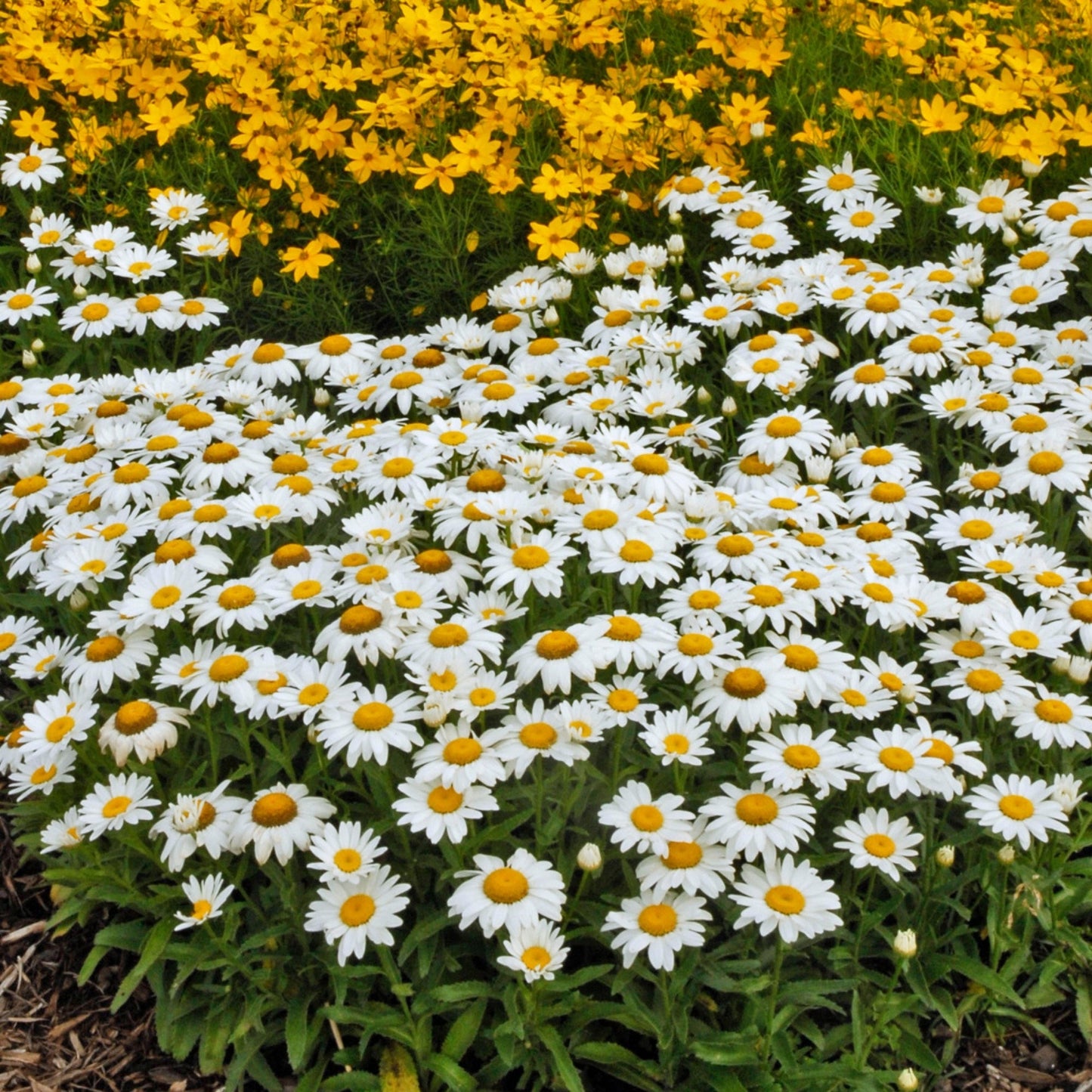
Crown your garden beds with a brilliant carpet of pure white using this exceptionally generous dwarf Shasta daisy. It produces a profusion of large, crisp white flower heads surrounding a golden-yellow central disc, creating a striking luminous contrast all summer long. Its compact silhouette and ultra-robust stems brave bad weather without ever flopping, completely eliminating any need for staking. Easy to grow and boasting excellent vigour, it stands out as a must-have choice for boosting small spaces and attracting a multitude of pollinators to your yard.
Characteristics
Foliage : Deciduous, lanceolate, toothed leaves of a glossy dark green, forming a dense carpet of greenery that beautifully highlights the brightness of the blooms.
Flowering / Fruiting / Stems : Flowers in solitary, pure white heads with a yellow heart, carried proudly on short, rigid, and remarkably solid stems.
Light Requirements : Requires full sun exposure to guarantee abundant flowering and maintain a beautifully compact habit.
Habit : Rounded, compact, and very well branched, forming a regular dôme.
Growth : Fast growth rate, promptly reaching its adult size from the very first season.
Soil : Flourishes in fertile, moist, and loose soil, but absolutely demands excellent drainage to prevent root rot.
Temperature : Hardy to zone 4.
Resistances : Demonstrates excellent resistance to White-tailed deer, hares and rabbits, as well as common fungal diseases.
Use
Types of use : Ideal for structuring the front of borders, illuminating rock gardens, composing mixed beds, or elegantly dressing pots and containers on the patio.
Decorative advantages : Offers a massive visual impact through its floral density, brightens up sunny areas, and provides excellent, long-lasting cut flowers for summer bouquets.
Maintenance
Watering : Water regularly during the first season to ensure deep root establishment. Subsequently, maintain moderately moist soil and let the surface dry out between waterings.
Fertilization : Incorporate well-rotted compost at planting time. Apply a natural granular fertilizer for flowering plants in early spring to stimulate maximum bud production.
Pruning : Regularly remove faded flowers using pruners to encourage the continuous appearance of new waves of buds. Cut the clump down completely close to the ground in autumn.
Planting : Space plants 30 to 45 cm apart in a hole enriched with organic matter, preferably in spring.
Winter protection : Spread a mulch of dead leaves or straw in autumn to protect the crown from winter harshness and successive frosts.
Plant details
Dimensions
Spacing
30 - 38 cm
Spread
30 - 38 cm
Height
30 - 46 cm
Spacing
12 - 15 in.
Spread
12 - 15 in.
Height
12 - 18 in.
Characteristics
Habit:
Rounded
Compact
Flowering colours:
White
Yellow
Plant needs
Watering:
Moderate
Maintenance:
Easy. Remove spent flowers to encourage continued flowering. Prune in early spring.
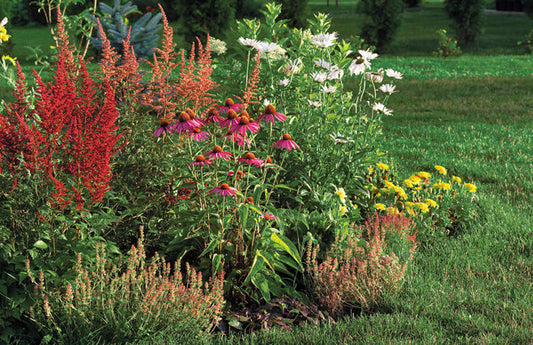
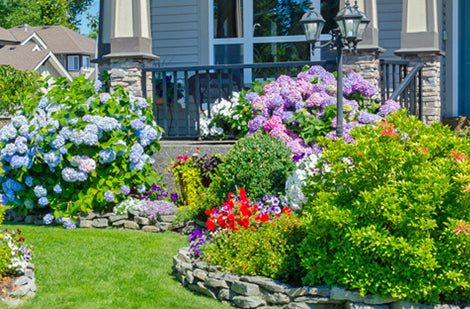
Osez créer des associations inédites qui sauront refléter votre personnalité, même si pour cela vous deviez déplacer certaines vivaces pour mieux les mettre en valeur.
Variétés à découvrir, la tomate se savoure crue, en sandwich, en bruschetta ou en salade. Cuite, c'est l'ingrédient de base de sauces, soupes et salsas.
En pénétrant au jardin, ce sont souvent les plantes vivaces que l’on remarque en premier. Un massif de sauges, d’hémérocalles, d’astilbes, d’échinacées ou de lavande offre un spectacle d’une beauté...