Rosa x AT LAST®
Rosa 'At Last®' – 'At Last®' Rose
Exposure
- Sun
Rusticity
Bloom time
- June
- July
- August
- September
- October
- Intoxicating sweet fragrance
- Stunning apricot blooms
- Ultimate disease resistance
- Non-stop summer flowering
- Compact versatile habit
The 'At Last®' rose finally delivers the holy grail of landscaping: the romance of a classic rose combined with the worry-free performance of a modern shrub. This standout variety will captivate you with its large, double apricot blooms that release a powerful, sweet fragrance—a rare feat for disease-resistant roses. Vigorous and hardworking, it brightens your garden from early summer until the first frost, all while maintaining lush, healthy foliage without the need for constant spraying.
Characteristics
- Foliage : Dense, glossy, deep green deciduous foliage provides a high-contrast backdrop for the warm-toned flowers.
- Flowering : Produces a continuous flush of fragrant, double blooms in a sunset-apricot hue that holds its color beautifully.
- Light requirements : Requires full sun (at least 6 hours per day) for maximum bloom production.
- Habit : Features a tidy, rounded, and bushy habit.
- Growth : Moderate growth rate, reaching a height and spread of 75 cm to 90 cm.
- Soil : Thrives in rich, well-drained, loamy soil. Avoid heavy, waterlogged areas.
- Temperature : Hardy to Canadian zone 5.
- Resistance : Exceptional natural resistance to black spot and powdery mildew.
Utilization
- Types of utilization : Perfect for mass plantings, mixed borders, or placed in a container on a patio to enjoy the scent.
- Decorative advantages : Adds a warm, glowing color palette and an elegant, structured look to any garden design.
Maintenance
- Watering: Water regularly at the base of the plant to keep the soil moist, especially during summer dry spells. Avoid overhead watering.
- Fertilization : Apply a specialized rose fertilizer in early spring and again after the first bloom cycle to encourage reblooming.
- Pruning : Prune in early spring just as the buds begin to swell. Remove dead wood and cut back stems by one-third to promote vigorous new growth.
- Planting : Space plants approximately 90 cm apart to ensure good airflow. Dig a hole twice as wide as the root ball.
- Winter Protection: Apply a thick layer of mulch at the base and use a rose cone or winter wrap if located in a more exposed or colder microclimate.
Plant details
Dimensions
Dimensions
Characteristics
Characteristics
Habit:
- Rounded
- Bushy
Flowering colours:
- Orange
- Apricot
- Pink
Plant needs
Plant needs
Watering:
- Moderate
Maintenance:
- Easy
- Fertilize regularly
- Spring pruning
- Winter protection
Soil requirement:
- Rich
- Well-drained
Features
Features
Resistance:
- Disease
- Heat
Attract:
- Pollinators
- Butterflies
Use:
- Border
- Mass planting
- Flower bed
- Container
- In-ground
Attribute:
- Fragrant
- Long blooming
- Successive blooming
- Small space gardening

Related articles
-
Trees and shrubs for small space landscaping
Read the articleHaving an exceptional garden is possible, even in the city! Discover our selection of trees and shrubs perfect for small lots, and transform your outdoor space into a green oasis.
-
When and how to plant shrubs: successful planti...
Read the articleDiscover our complete guide to mastering shrub planting and care. Learn the best planting times, essential techniques, along with tips for watering, fertilizing, and managing common issues. Our practical advice...
-
Choosing shrubs to plant
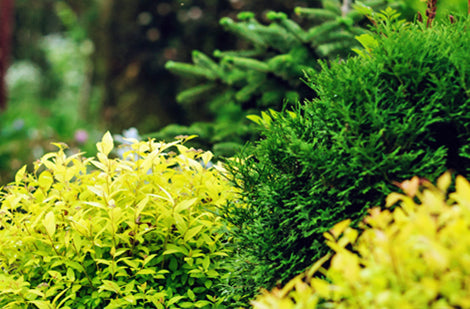
Read the articleIn exterior design, shrubs represent furniture. They set the scene and set the tone for the flower bed. Shrubs constitute the living architectural elements of the landscaped garden. As proof,...
-
Shrubs: beautiful all year long
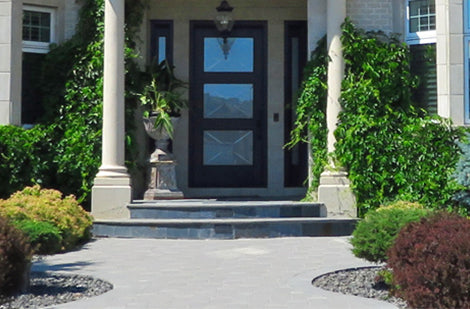
Read the articleLe grand choix d’espèces fournit l’occasion de varier les formes, les feuillages, et de créer des floraisons successives, bref, de composer un jardin magnifique à longueur d’année. Pour toutes ces...