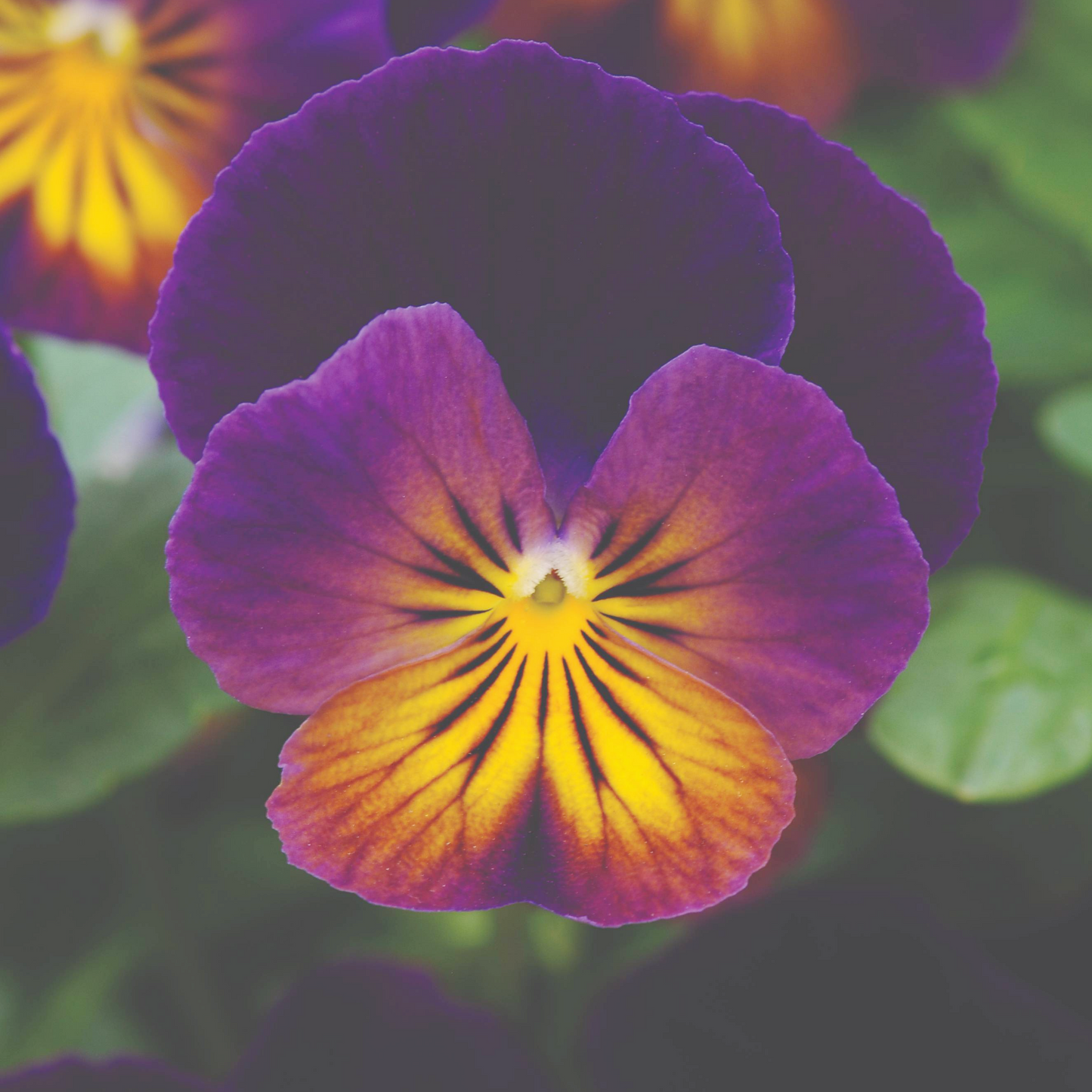
Be enchanted by the chromatic magic of 'Celestial Northern Lights' Horned Pansy. This exceptional variety offers a shifting display of violet, lavender, and cream hues, accented by a bright yellow heart, reminiscent of the moving shades of the aurora borealis. Its generous flowering and delicate fragrance make it a precious ally for bringing a touch of mystery and elegance to your landscapes as soon as spring returns.
Characteristics
Foliage : Small, deep green evergreen leaves forming a compact rosette that remains attractive even when not in bloom.
Flowering / Stems : Multi-dimensional flowers with darker upper petals and lighter lower petals, releasing a subtle, sweet fragrance.
Light : Prefers a sunny or partially shaded exposure to intensify its unique color nuances.
Habit : Mounded and bushy, creating a dense and flowery groundcover.
Growth : Moderate, reaching a height and spread of approximately 15 to 20 cm.
Soil : Rich in humus, well-drained, and maintaining consistent moisture.
Hardiness : Reliable hardiness (Zone 5).
Resistances : Very cold-resistant and shows good tolerance to common garden diseases.
Use
Types of use : Perfect for path edgings, rock gardens, or as a feature element in mixed containers.
Decorative advantages : Its unique and changing colours draw the eye and pair beautifully with silver foliage or white flowers.
Maintenance
Watering : Water regularly to keep the soil cool, especially during hot and dry weather.
Fertilization : Incorporate a flowering plant fertilizer at the time of planting and repeat monthly throughout the season.
Pruning : Remove faded flowers (deadheading) to encourage continuous production of new flower buds.
Planting : Plant in rich, loose soil, respecting a distance of 15 to 20 cm between plants.
Winter Protection : A light protective mulch is recommended to secure the plant during harsh winters with low snow cover.
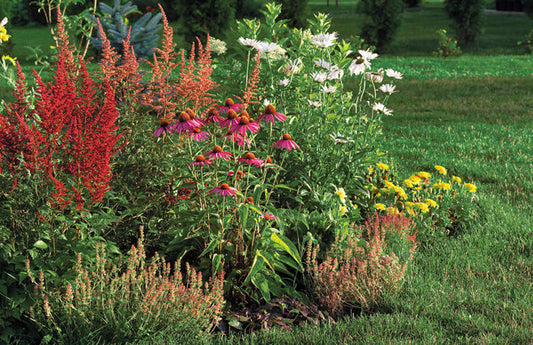
Osez créer des associations inédites qui sauront refléter votre personnalité, même si pour cela vous deviez déplacer certaines vivaces pour mieux les mettre en valeur.
Variétés à découvrir, la tomate se savoure crue, en sandwich, en bruschetta ou en salade. Cuite, c'est l'ingrédient de base de sauces, soupes et salsas.
En pénétrant au jardin, ce sont souvent les plantes vivaces que l’on remarque en premier. Un massif de sauges, d’hémérocalles, d’astilbes, d’échinacées ou de lavande offre un spectacle d’une beauté...