Nepenthes
Nepenthes - Pitcher Plant
Exposure
- Moderate indirect light
Rusticity
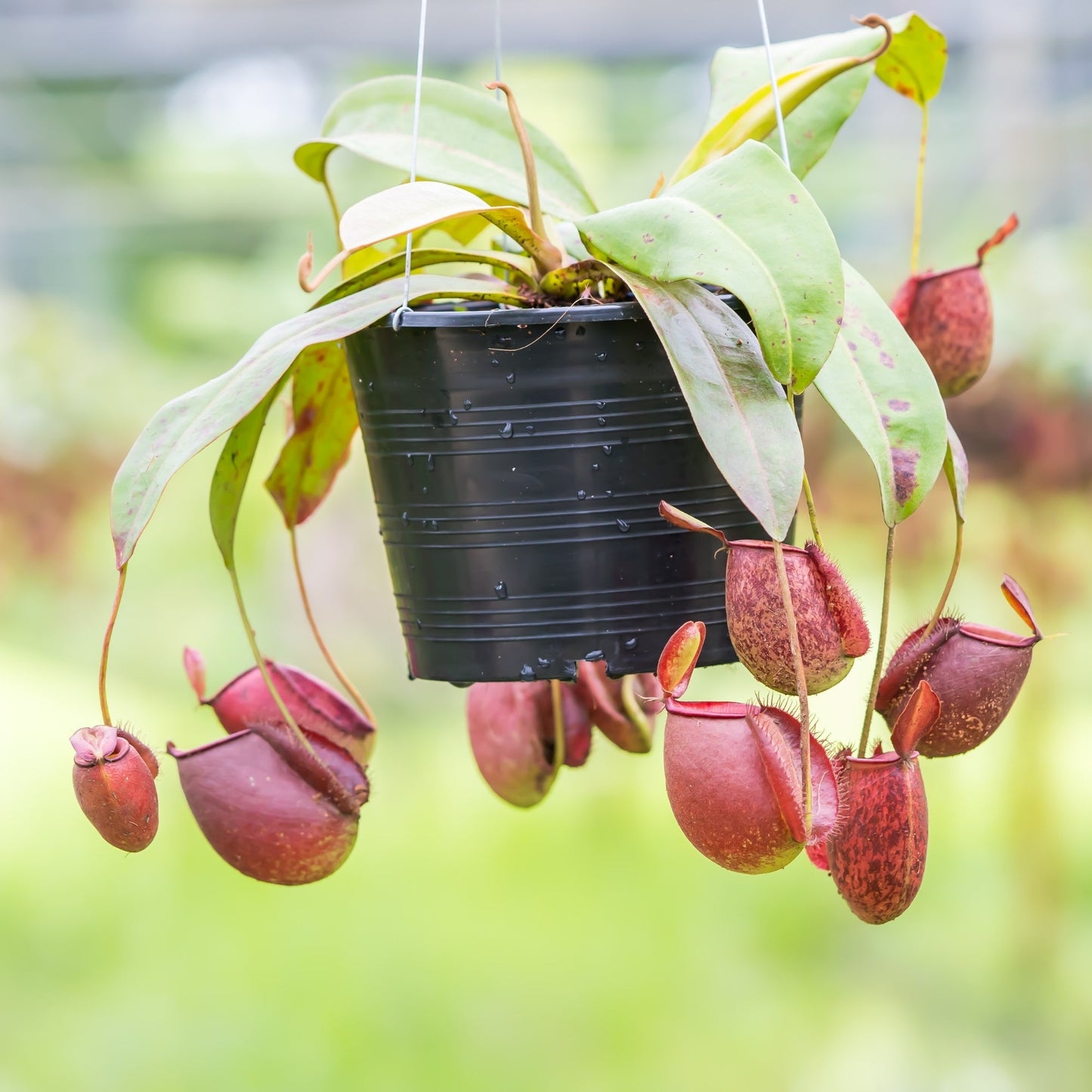
- Spectacular naturally hanging carnivorous pitchers
- Exotic jungle-inspired indoor look
- Natural control for small flying insects
- Fascinating and unique collector's plant
- Ideal for high-humidity home environments
A true marvel of evolution, the Nepenthes captivates with its prehistoric allure and spectacular hanging pitchers. This unique carnivorous plant uses its natural traps, often in vibrant colours, to attract and capture insects. It is a living collector's piece that transforms any space into a mysterious and sophisticated indoor jungle.
Characteristics
- Foliage: Elongated leaves ending in a tendril that supports a complex pitcher (trap).
- Habit: Trailing or climbing silhouette, ideal for high-level displays.
- Light: Prefers bright indirect light; good luminosity is essential for pitcher formation.
- Growth: Moderate, developing vine-like stems over time.
- Usage: Exotic indoor plant, effective for the natural control of small winged insects.
Use
- Style & Placement: Install it in a hanging basket in front of a kitchen window or in a bright bathroom.
- Decorative Benefits: Its colourful pitchers create a unique visual contrast and a guaranteed conversation starter in your décor.
Care & Success
- Watering: Keep the substrate moist at all times, but without standing water. Use exclusively distilled, demineralized, or rain water.
- Humidity: Requires high humidity (60%+). A humid bathroom or daily misting is recommended.
- Potting Soil: Use a very airy and nutrient-poor mix, such as pure sphagnum moss or an orchid/carnivorous plant mix. Never use standard potting soil.
- Feeding: Do not feed the plant artificially. It captures its own prey. Never place meat or human food inside the pitchers.
- Pitcher Browning: It is completely normal for a pitcher to eventually turn brown and dry out after a few months. This is part of the plant's natural cycle.
- Pruning: When a pitcher is completely dry, simply trim it off at the base of the tendril to maintain aesthetics and stimulate the plant.
- Fertilizing: Do not fertilize the roots, as this will burn the plant. It draws nutrients only through its traps.
- Toxicity: Non-toxic to pets and humans.
Plant details
Dimensions
Dimensions
Characteristics
Characteristics
Habit:
- Trailing
- Climbing
Flowering colours:
Plant needs
Plant needs
Watering:
- Keep moist (distilled water)
Maintenance:
- Moderate to expert
Soil requirement:
- Sphagnum moss
- Carnivorous mix
- No fertilizer
Features
Features
Resistance:
Attract:
Use:
- Terrarium
- Hanging basket
- Trellis
Attribute:
- Carnivorous
- Non-toxic
- Hanging pitchers
- Exotic

Related articles
-
-
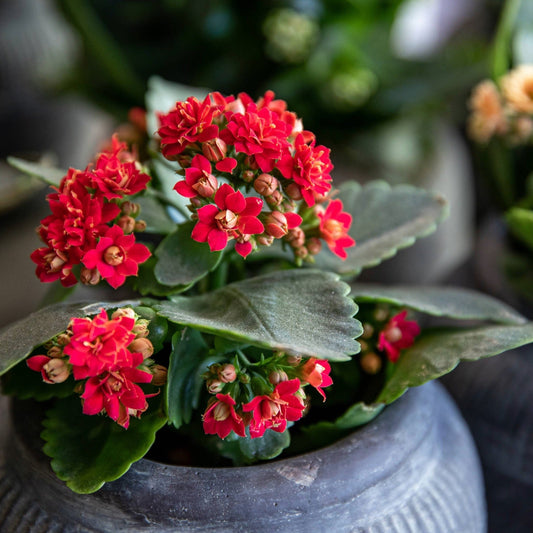
Kalanchoe: The Secret to Massive Blooms That La...
Read the articleNeed lasting colour? The Kalanchoe blooms profusely for over two months! An easy succulent that tolerates neglect and adds a vibrant touch to your home.
-
Snake Plant: The Unkillable Houseplant, Perfect...
Read the articleLooking for a robust plant that thrives on neglect? Meet the Sansevieria, the champion of clean air! Learn how to care for this striking succulent, explore fascinating varieties like 'Moonshine'...
-
Edible Flowers: Top 5 for Garden and Kitchen
Read the articleOffrant une belle gamme de couleurs, de formes et de textures, les fleurs comestibles enthousiasment les amoureux de jardinage et de cuisine.
-
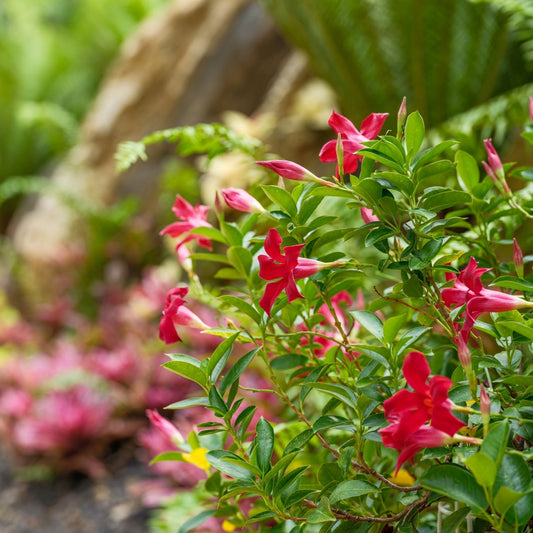
Tropical Flowering Plants: A touch of the exoti...
Read the articleDreaming of a getaway? Add these spectacular tropical plants to your outdoor decor and enjoy a summer with Southern vibes, right at home!
-
Keep a palm tree on the terrace - why not!
Read the articleIt’s hard to resist the call of the tropics when the sun and mild temperatures finally make an appearance. There is nothing better than a palm tree on the terrace...