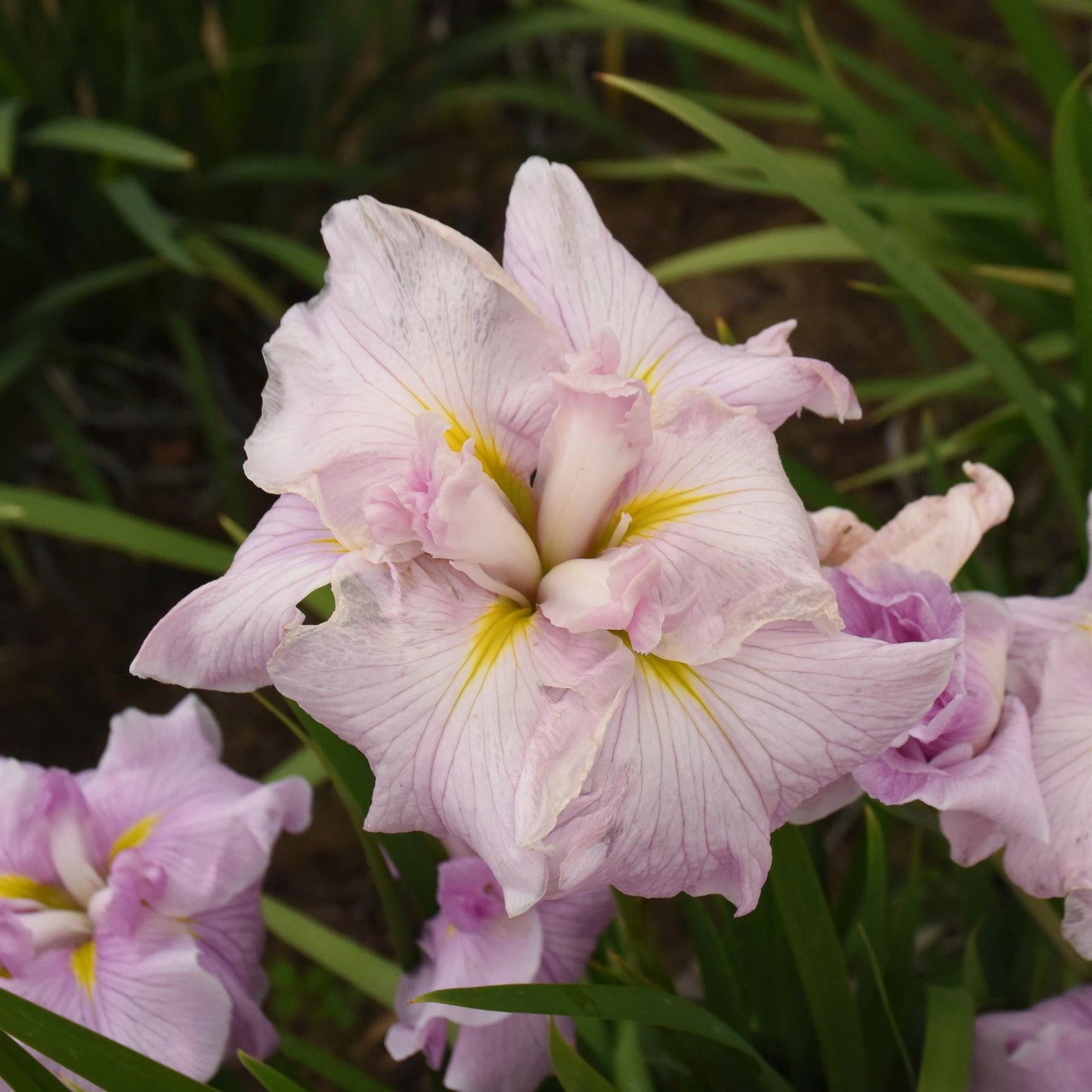
Iris ensata 'Pinkerton'
Iris ensata 'Pinkerton' – Pinkerton Japanese Iris
Exposure
- Sun
- Part shade
Rusticity
Bloom time
- June
- July
- Immense theatrical pinkish purple blooms
- Highly contrasting bright yellow heart
- Perfect choice for moist soils
- Naturally deters White-tailed deer
- Elegant and graphic vertical structure
Transform outdoor spaces with the theatrical presence of this Japanese iris. The 'Pinkerton' variety captivates the eye by deploying immense, silky, tender pinkish-purple blossoms illuminated by a well-defined, bright yellow heart. Its wide, nearly horizontal petals rise majestically above graphic foliage to create a focal point of rare elegance near water features or in fresh mass plantings.
Characteristics
- Foliage : Long, linear, strap-like leaves of a true green, crossed by a distinctive central midrib, maintain a clean, erect habit throughout the season. The foliage is deciduous.
- Flowering / Fruiting / Stems : Complex flowers in shades of pink and lavender around a brilliant yellow signal bloom proudly atop sturdy floral stems well gauntleted above the foliage.
- Light Requirements : Provide a full sun location to maximize the abundance of the blooms, although the plant tolerates light shade during hot afternoons.
- Habit : Erect and bushy, forming dense, strong, well-defined clumps that expand without becoming invasive.
- Growth Rate : Moderate, establishing solidly to reach full maturity within a few seasons.
- Soil : Demands a soil rich in organic matter, heavy, deep, acidic, and constantly retaining moisture, particularly during the active growing period.
- Hardiness : Offers excellent hardiness (zone 4), effectively withstanding winter conditions.
- Resistance : Naturally deters White-tailed deer while accommodating heavy, poorly drained clay soils.
Use
- Types of Use : Ideal for stabilizing shores, planting in rain gardens, bordering ponds, or cultivating in submerged containers on a seasonal basis.
- Decorative Advantages : Brings a refined touch of exoticism, creates striking texture contrasts, and structures the landscape thanks to its perfect vertical lines.
Maintenance
- Watering : Maintain the soil continuously moist to wet from spring until the end of the flowering period. Water abundantly during dry spells if the plant is not installed by a waterside.
- Fertilization : Incorporate a generous dose of rich compost or apply an acidic organic fertilizer in early spring to support floral development.
- Pruning : Remove flower stems after fading to maintain the neat appearance of the clump. Cut back foliage completely to the ground late in autumn or in spring.
- Planting : Install rhizomes roughly 5 cm deep in previously enriched soil, respecting the recommended spacing.
Plant details
Dimensions
Dimensions
Characteristics
Characteristics
Habit:
- Upright
- Bushy
Flowering colours:
- Pink
- Mauve
- Yellow
Plant needs
Plant needs
Watering:
- Tolerates moist soil
- Tolerates wet soil
- Moderate
Maintenance:
- Medium
- Cut back
- Cut back in spring
- Prune in autumn
- Remove faded flowers
Soil requirement:
- Moist
- Rich
- Acidic
- Heavy
Features
Features
Resistance:
- White-tailed deer
- Cold
- Disease
Attract:
- Pollinators
- Butterflies
- Hummingbirds
Use:
- Pond
- Border
- Mass planting
- Flowerbed
- In-ground
- Accent pot
- Container
Attribute:
- Cut flower

Related articles
-
Perennials for all occasions
Read the articleOsez créer des associations inédites qui sauront refléter votre personnalité, même si pour cela vous deviez déplacer certaines vivaces pour mieux les mettre en valeur.
-
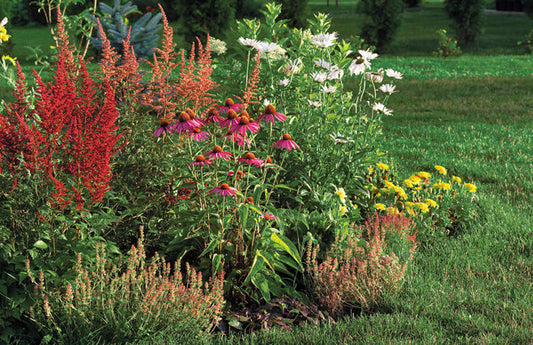
Landscaping with perennials
Read the articleVariétés à découvrir, la tomate se savoure crue, en sandwich, en bruschetta ou en salade. Cuite, c'est l'ingrédient de base de sauces, soupes et salsas.
-
Perennial Care Guide: How to Prune and Fertiliz...
Read the articleRevitalize your garden beds and extend your flowering season with our simple pruning and fertilizing techniques tailored for local hardiness zones.
-
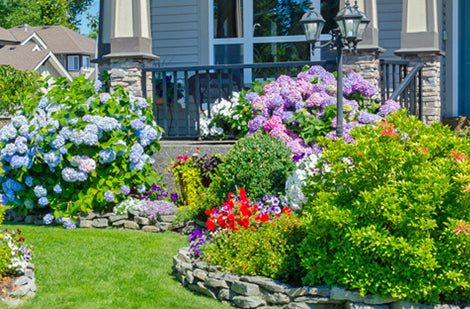
How to plant perennials in your garden
Read the articleEn pénétrant au jardin, ce sont souvent les plantes vivaces que l’on remarque en premier. Un massif de sauges, d’hémérocalles, d’astilbes, d’échinacées ou de lavande offre un spectacle d’une beauté...