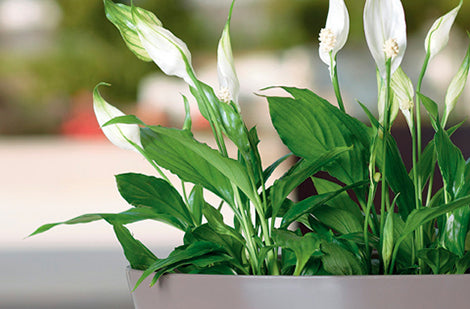
Heliconia
Heliconia spp. - False Bird of Paradise
Exposure
- Bright indirect light
- Morning sun
Rusticity
Bloom time
- June
- July
- August
- September
- Sculptural naturally colourful tropical inflorescences
- Large banana-like satin green foliage
- Majestic architectural presence for modern spaces
- Long-lasting flowers ideal for tall bouquets
- Perfect choice for bright indoor rooms
An incomparable symbol of the tropical jungle, the Heliconia breathes a dose of theatrical exoticism into your space. Its rigid, architectural inflorescences, composed of waxy bracts in flamboyant colours, stand proudly above its large foliage that closely resembles a banana tree. It is the ideal exceptional plant for creating a bold and resolutely modern visual impact.
Characteristics
- Bloom: Geometric, fleshy bracts in striking shades of red, yellow, and orange, cradling small, discreet flowers.
- Flowering Period: Its remarkable floral display unfolds mainly during the summer months, offering exceptional longevity.
- Foliage: Very large, oblong leaves in a satin green, bringing a rich, graphic structure to the plant.
- Habit: Upright, lofty, and bushy, forming a dense clump of robust stems.
- Light: Requires abundant bright indirect light; tolerates soft morning direct sun to stimulate blooming.
Use
- Style & Placement: Feature it as a focal point in a large, bright living room, a sunroom, or a spacious home greenhouse.
- Decorative Benefits: Its sculptural presence structures any room. Its spectacular inflorescences also make excellent, long-lasting cut flowers for tall arrangements.
Care & Success
- Watering: Water generously to keep the potting soil uniformly moist during the growing season, without allowing water to stagnate around the roots.
- Humidity: Requires high room humidity (60%+). Placing it near a humidifier or on a tray with wet pebbles is highly recommended.
- Potting Soil: Use a rich, fertile soil mix containing organic matter (compost), well-aerated and drained with perlite.
- Repotting: Repot every 2 years in the spring. Choose a large, heavy pot to stabilize its imposing and tall silhouette.
- Fertilizing: Apply a rich tropical green plant fertilizer once a month from March to October.
- Toxicity: Non-toxic to domestic pets, though the fibrous texture of the leaves can cause mild discomfort if swallowed.
Plant details
Dimensions
Dimensions
Characteristics
Characteristics
Habit:
- Upright
- Bushy
Flowering colours:
- Red
- Yellow
- Orange
Plant needs
Plant needs
Watering:
- Keep soil moist
Maintenance:
- Moderate
- Fertilize regularly
- Bring indoors in fall
Soil requirement:
- Tropical plant soil
- Humus-rich
- Well drained
Features
Features
Resistance:
Attract:
Use:
- Decorative pot
- Floor plant
- Visual centerpiece
Attribute:
- Exotic flower
- Graphic foliage
- Long-lasting cut flower
- Non-toxic
Related articles
-
Potting House Plants: which pot to choose
Read the articleBien qu'une plante puisse passer plusieurs mois et parfois même plusieurs années dans le même pot, avec le temps ses racines envahissent tout l'espace disponible. Il devient important de choisir...
-
Moving Up a Level: Advanced Guide to Repotting ...
Read the articlePropagate your violets! Discover the simple cutting method, the secret to the perfect soil mix, and how to fight mealybugs.
-
The Complete Guide to Buying and Caring for Ind...
Read the articleBringing a touch of nature to your home with plants is a great idea! Not only do they beautify your living space, but they also help purify the air. However,...
-
Build Your Own Terrarium: The Complete, Easy Gu...
Read the articleThe terrarium is the perfect addition to your decor! Learn how to easily create your own miniature garden with our complete guide.
-
Create a garden with succulents
Read the articleLes plantes grasses n’ont pas leur pareil pour créer des arrangements à la fois impressionnants par leurs couleurs, leurs formes et leurs textures et faciles à entretenir. Qu’on les agence...
-
Houseplants to discover - Butterfly Palm or Are...
Read the articleDypsis lutescens, anciennement Chrysalidocarpus lutescens