Heliconia
Heliconia spp. - False Bird of Paradise
Exposure
- Bright indirect light
- Morning sun
Rusticity
Bloom time
- June
- July
- August
- September
- Sculptural naturally colourful tropical inflorescences
- Large banana-like satin green foliage
- Majestic architectural presence for modern spaces
- Long-lasting flowers ideal for tall bouquets
- Perfect choice for bright indoor rooms
An incomparable symbol of the tropical jungle, the Heliconia breathes a dose of theatrical exoticism into your space. Its rigid, architectural inflorescences, composed of waxy bracts in flamboyant colours, stand proudly above its large foliage that closely resembles a banana tree. It is the ideal exceptional plant for creating a bold and resolutely modern visual impact.
Characteristics
- Bloom: Geometric, fleshy bracts in striking shades of red, yellow, and orange, cradling small, discreet flowers.
- Flowering Period: Its remarkable floral display unfolds mainly during the summer months, offering exceptional longevity.
- Foliage: Very large, oblong leaves in a satin green, bringing a rich, graphic structure to the plant.
- Habit: Upright, lofty, and bushy, forming a dense clump of robust stems.
- Light: Requires abundant bright indirect light; tolerates soft morning direct sun to stimulate blooming.
Use
- Style & Placement: Feature it as a focal point in a large, bright living room, a sunroom, or a spacious home greenhouse.
- Decorative Benefits: Its sculptural presence structures any room. Its spectacular inflorescences also make excellent, long-lasting cut flowers for tall arrangements.
Care & Success
- Watering: Water generously to keep the potting soil uniformly moist during the growing season, without allowing water to stagnate around the roots.
- Humidity: Requires high room humidity (60%+). Placing it near a humidifier or on a tray with wet pebbles is highly recommended.
- Potting Soil: Use a rich, fertile soil mix containing organic matter (compost), well-aerated and drained with perlite.
- Repotting: Repot every 2 years in the spring. Choose a large, heavy pot to stabilize its imposing and tall silhouette.
- Fertilizing: Apply a rich tropical green plant fertilizer once a month from March to October.
- Toxicity: Non-toxic to domestic pets, though the fibrous texture of the leaves can cause mild discomfort if swallowed.
Plant details
Dimensions
Dimensions
Characteristics
Characteristics
Habit:
- Upright
- Bushy
Flowering colours:
- Red
- Yellow
- Orange
Plant needs
Plant needs
Watering:
- Keep soil moist
Maintenance:
- Moderate
- Fertilize regularly
- Bring indoors in fall
Soil requirement:
- Tropical plant soil
- Humus-rich
- Well drained
Features
Features
Resistance:
Attract:
Use:
- Decorative pot
- Floor plant
- Visual centerpiece
Attribute:
- Exotic flower
- Graphic foliage
- Long-lasting cut flower
- Non-toxic
Related articles
-
Bring Your Plants Indoors for Winter: The Compl...
Read the articleDon't get caught by the first frost! Prepare your outdoor plants for winter with our complete guide.
-
When and how to repot house plants
Read the articleAlthough a plant can spend several months and sometimes even several years in the same pot, over time its roots invade all the available space.
-
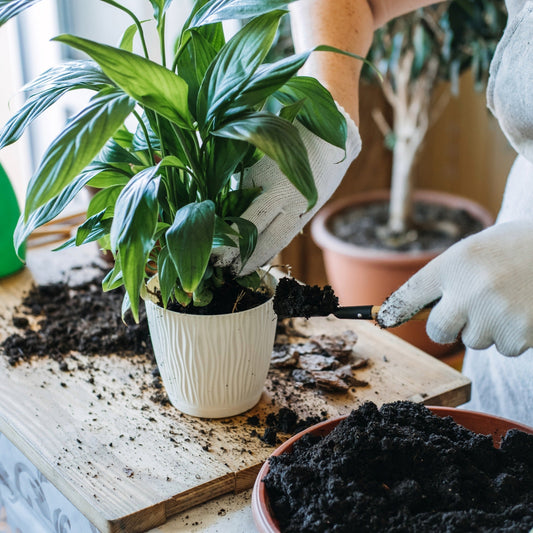
Choosing the best potting soil for your indoor ...
Read the articleDon't let your plants stall: learn how to choose the ideal potting mix and optimize drainage for vibrant foliage.