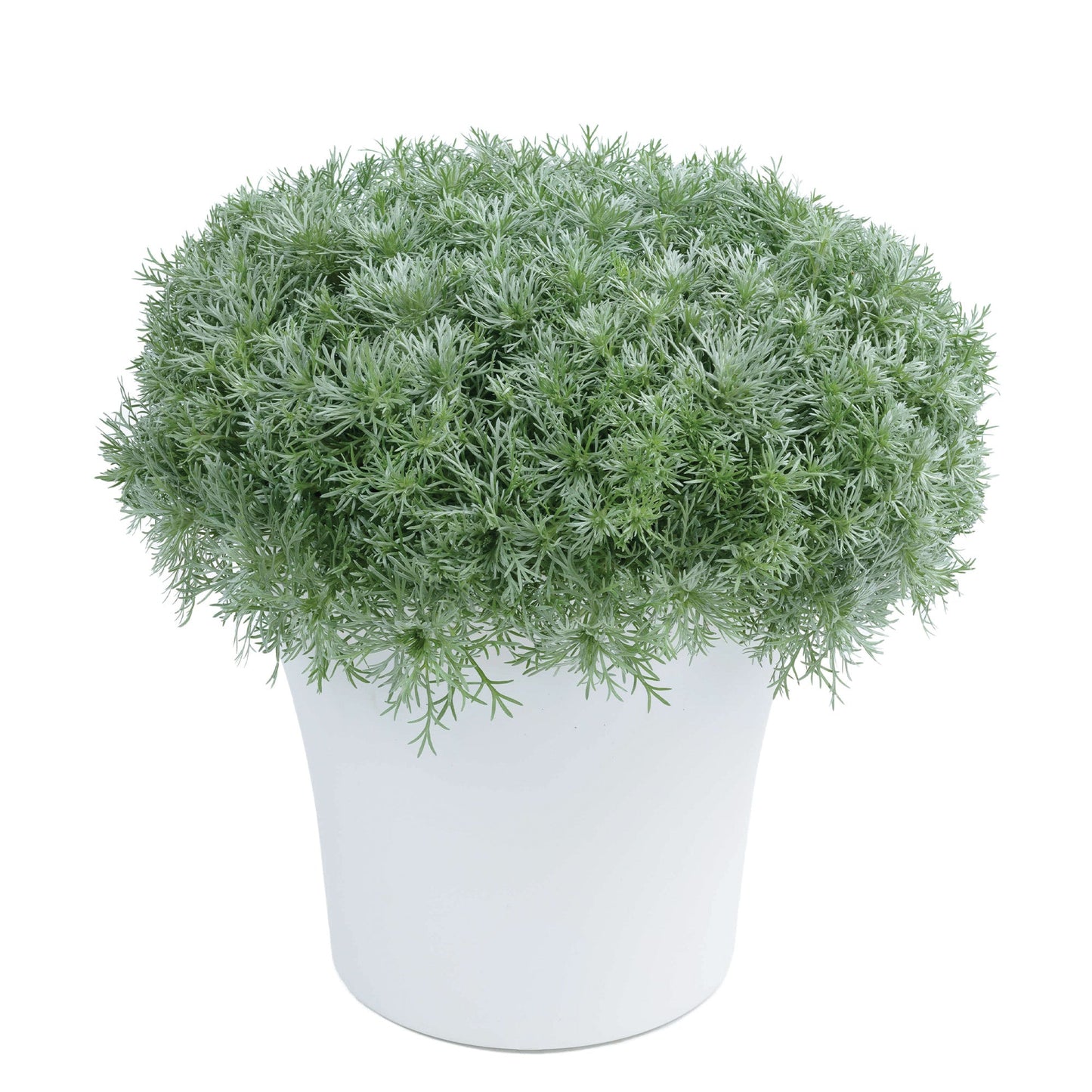
The 'Silver Mound' Wormwood forms a silky, fine-textured dome that irresistibly invites touch. This compact cushion of silver foliage instantly brightens sunny garden spots and creates striking contrasts with vibrant-coloured plants. It represents an exceptional choice for gardeners seeking a low architectural structure and timeless elegance without requiring constant effort.
Characteristics
Foliage: Displays finely divided, luminous silver-grey leaves with a velvety texture. The foliage is deciduous.
Flowering: Produces small, inconspicuous yellowish flowers in late summer, which are often secondary to the aesthetic appeal of the foliage.
Light Requirements: Thrives in full sun to maintain its compact shape and brilliant colour.
Habit: Adopts a perfectly rounded and regular dome or cushion shape.
Growth: Shows moderate growth, reaching approximately 30 cm in height with a 45 cm spread.
Soil: Prefers poor to moderately fertile soil, above all very well-drained.
Temperature: Offers excellent hardiness (Zone 3).
Resistances: Naturally repels white-tailed deer, hares, and rabbits; demonstrates high tolerance to drought and heat.
Use
Types of use: Ideal for rock gardens, flower bed borders, alpine gardens, or in containers as a structural plant.
Decorative advantages: Provides a constant touch of light thanks to its metallic brilliance and softens the straight lines of walls or pathways.
Maintenance
Watering: Water regularly after planting to promote establishment. Once established, allow the soil to dry completely between interventions, as it fears excess moisture.
Fertilization: Avoid fertilizers too rich in nitrogen, which could cause the center of the dome to flop; a light application of compost in spring is sufficient.
Pruning: Cut the plant back slightly in mid-summer if the center begins to open up to stimulate dense, compact new growth.
Planting: Space plants 30 to 45 cm apart in a location benefiting from excellent air circulation.
Winter Protection: Requires no special protection under snow cover, but ensure the site does not retain standing water in winter.
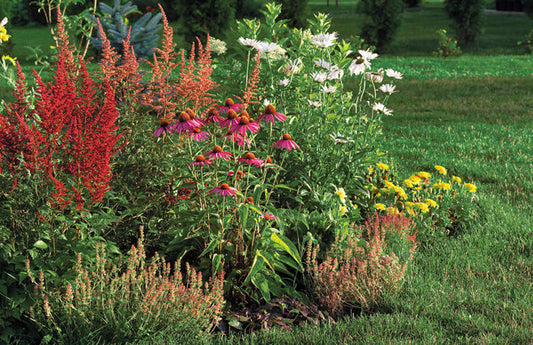
Osez créer des associations inédites qui sauront refléter votre personnalité, même si pour cela vous deviez déplacer certaines vivaces pour mieux les mettre en valeur.
Variétés à découvrir, la tomate se savoure crue, en sandwich, en bruschetta ou en salade. Cuite, c'est l'ingrédient de base de sauces, soupes et salsas.
En pénétrant au jardin, ce sont souvent les plantes vivaces que l’on remarque en premier. Un massif de sauges, d’hémérocalles, d’astilbes, d’échinacées ou de lavande offre un spectacle d’une beauté...