


Related articles
-
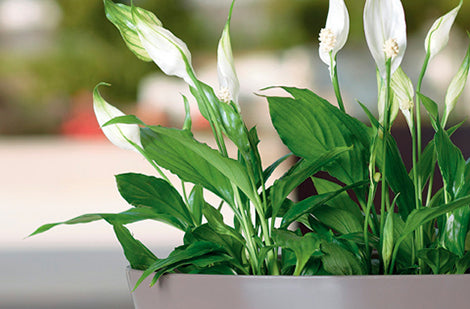
Potting House Plants: which pot to choose
Read the articleBien qu'une plante puisse passer plusieurs mois et parfois même plusieurs années dans le même pot, avec le temps ses racines envahissent tout l'espace disponible. Il devient important de choisir...
-

Moving Up a Level: Advanced Guide to Repotting ...
Read the articlePropagate your violets! Discover the simple cutting method, the secret to the perfect soil mix, and how to fight mealybugs.
-

The Complete Guide to Buying and Caring for Ind...
Read the articleBringing a touch of nature to your home with plants is a great idea! Not only do they beautify your living space, but they also help purify the air. However,...
-
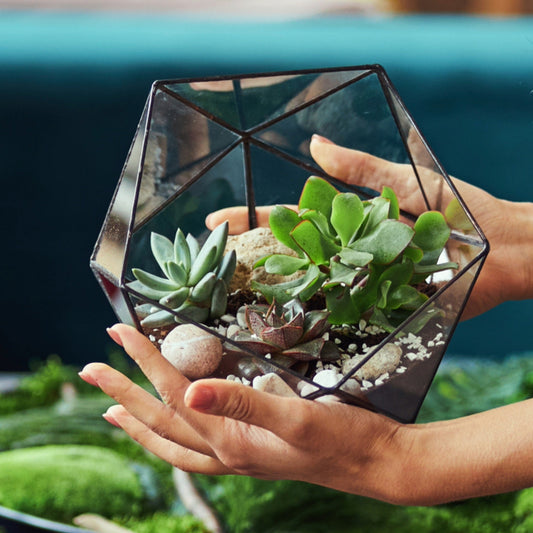
Build Your Own Terrarium: The Complete, Easy Gu...
Read the articleThe terrarium is the perfect addition to your decor! Learn how to easily create your own miniature garden with our complete guide.
-

Create a garden with succulents
Read the articleLes plantes grasses n’ont pas leur pareil pour créer des arrangements à la fois impressionnants par leurs couleurs, leurs formes et leurs textures et faciles à entretenir. Qu’on les agence...
-

Houseplants to discover - Butterfly Palm or Are...
Read the articleDypsis lutescens, anciennement Chrysalidocarpus lutescens
-

Calathea: The Essential Guide to Mastering the ...
Read the articleCalathea is a stunning addition, but it's demanding! The key to its success? Humidity. Find out why tap water and dry air are its worst enemies and how to give...
-
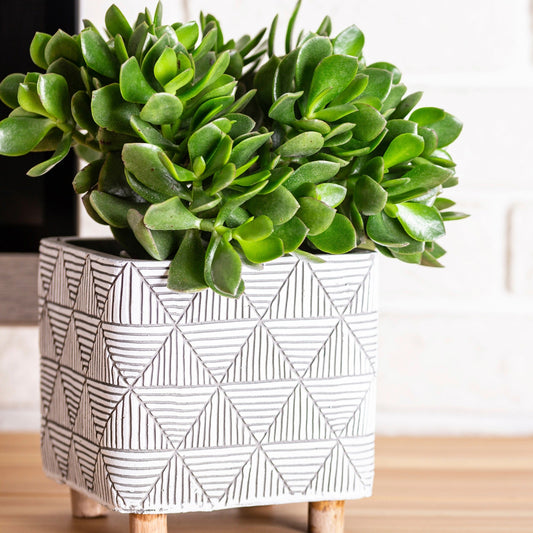
Jade Plant (Crassula): The Easy-Care Succulent ...
Read the articleThe jade plant is a must-have! Learn all the secrets to caring for this resilient succulent that naturally grows into an elegant miniature tree.
-
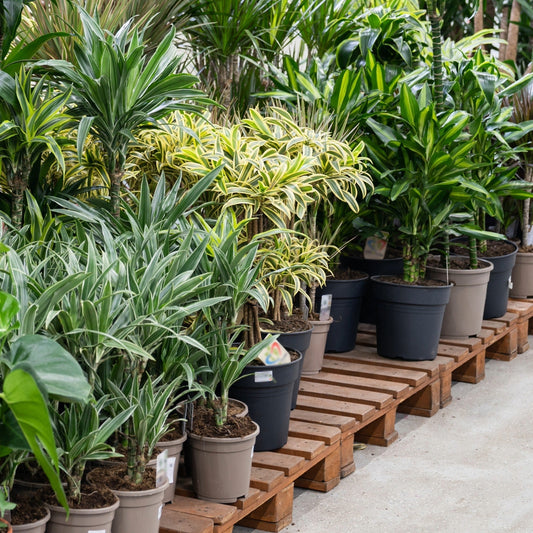
Madagascar Dragon Tree: Embrace Effortless, Gra...
Read the articleAdd a modern touch to your home! The Madagascar Dragon Tree is low-maintenance, perfect for beginners, and stands out with its slender look and two-toned foliage.
-

Aspidistra: The "Cast Iron Plant" Indestructibl...
Read the articleDon't have a green thumb? The Cast Iron Plant is for you! Tolerant of shade and missed waterings, it's perfect for lobbies and offices. Learn how to maintain its leathery...
-
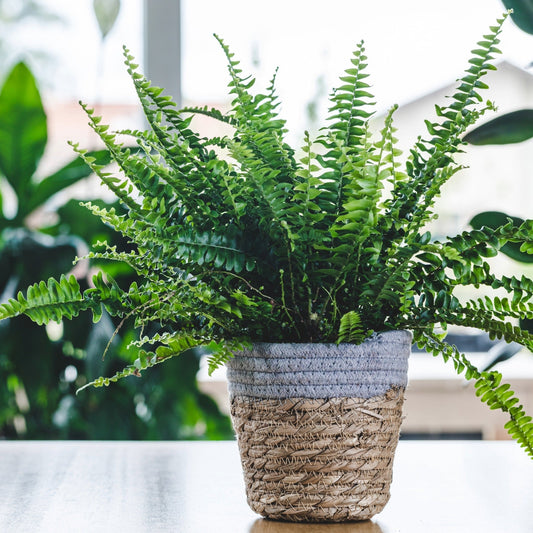
Embrace the Fern: The Champion of Shade and Tro...
Read the articleGot a dark corner? Ferns are your allies! They are easy to care for if you master one factor: humidity. Learn how to water them perfectly for spectacular and full...
-
-
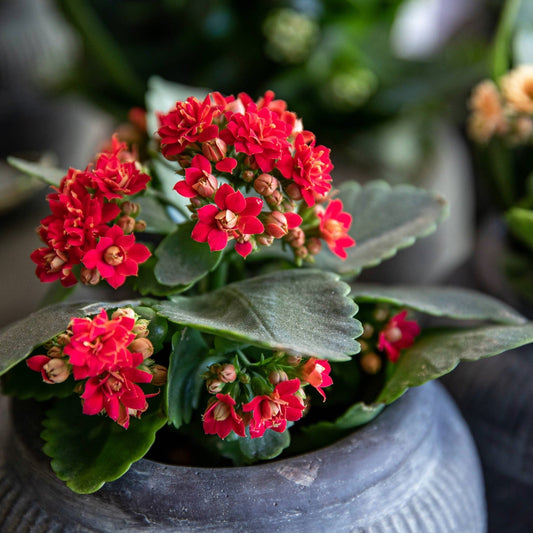
Kalanchoe: The Secret to Massive Blooms That La...
Read the articleNeed lasting colour? The Kalanchoe blooms profusely for over two months! An easy succulent that tolerates neglect and adds a vibrant touch to your home.
-

Snake Plant: The Unkillable Houseplant, Perfect...
Read the articleLooking for a robust plant that thrives on neglect? Meet the Sansevieria, the champion of clean air! Learn how to care for this striking succulent, explore fascinating varieties like 'Moonshine'...
-

Edible Flowers: Top 5 for Garden and Kitchen
Read the articleOffrant une belle gamme de couleurs, de formes et de textures, les fleurs comestibles enthousiasment les amoureux de jardinage et de cuisine.
-
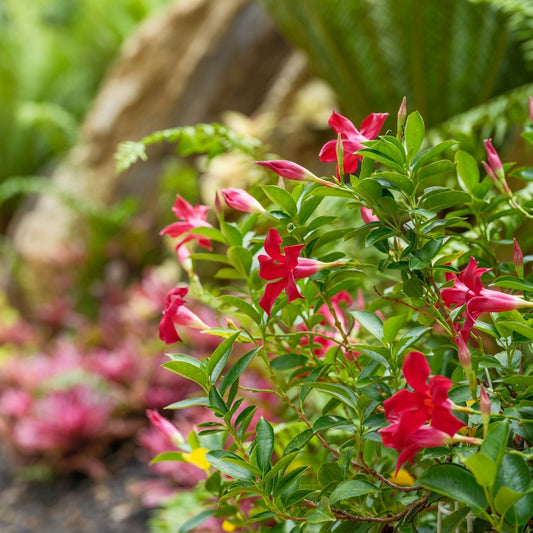
Tropical Flowering Plants: A touch of the exoti...
Read the articleDreaming of a getaway? Add these spectacular tropical plants to your outdoor decor and enjoy a summer with Southern vibes, right at home!
-

Keep a palm tree on the terrace - why not!
Read the articleIt’s hard to resist the call of the tropics when the sun and mild temperatures finally make an appearance. There is nothing better than a palm tree on the terrace...
-
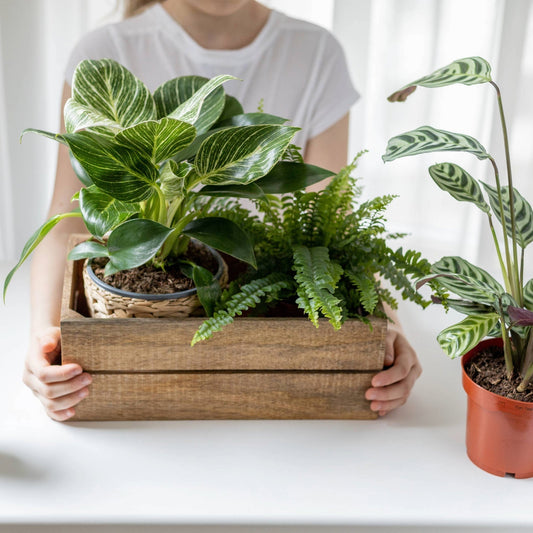
Bring Your Plants Indoors for Winter: The Compl...
Read the articleDon't get caught by the first frost! Prepare your outdoor plants for winter with our complete guide.
-

When and how to repot house plants
Read the articleAlthough a plant can spend several months and sometimes even several years in the same pot, over time its roots invade all the available space.
-
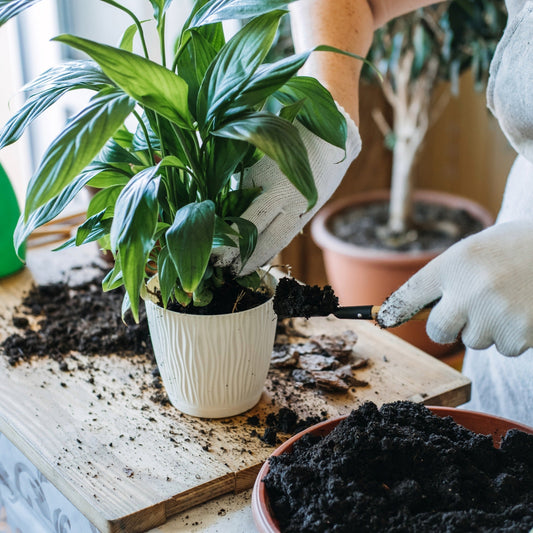
Choosing the best potting soil for your indoor ...
Read the articleDon't let your plants stall: learn how to choose the ideal potting mix and optimize drainage for vibrant foliage.