
Echinacea 'Sweet Sandia'
Echinacea 'Sweet Sandia' – 'Sweet Sandia' Coneflower
Exposure
- Sun
Rusticity
Bloom time
- July
- August
- September
- October
- Unique watermelon-style bicolor blooms
- Exceptionally long summer flowering window
- Massively attracts essential butterflies
- Excellent natural drought resistance
- Rigid stems perfect for pots
The 'Sweet Sandia' coneflower injects a refreshing burst of color into your landscape with unique blooms resembling juicy watermelon slices. Its broad, vibrant pink petals come edged in a luminous lime green border, all framing a prominent, bronze-toned central cone. This compact and vigorous perennial flowers generously throughout the summer, anchoring sunny beds with a non-stop parade of pollinators. Outstanding natural heat and drought tolerance make this hardy variety an essential pick for creating high-impact, carefree displays.
Characteristics
- Foliage : Lance-shaped, coarse leaves showing a rich, deep green. This deciduous foliage forms a dense, well-branched mound right from the base.
- Flowering / Fruiting / Stems : Daisy-like flowers featuring striking bicolor petals—intense fuchsia pink rimmed with chartreuse green—surrounding a large, copper-brown central cone. The blossoms extend from midsummer until the first autumn frosts.
- Light : Requires full sun to achieve its most vivid coloration and maintain strong, sturdy stems.
- Habit : Erect, compact, and bushy, keeping its stems perfectly upright without flopping under the weight of the flowers.
- Growth : Medium growth rate, reaching a height of about 50 cm and a spread of 40 cm.
- Soil : Thrives in rich, loose, and exceptionally well-drained soil. It dislikes stagnant water, particularly during the cold season.
- Temperature : Excellent hardiness, well-suited down to zone 4.
- Resistances : Demonstrates superb tolerance to drought, intense heat, and summer humidity. It effectively resists fungal diseases and naturally deters white-tailed deer.
Use
- Types of use : Ideal for energizing the foreground of perennial borders, accenting sunny rock gardens, or lining bright walkways. It excels in containers on patios and stands out as a top choice for cottage gardens or pollinator habitats.
- Decorative advantages : Delivers a striking and unique bicolor contrast that instantly catches the eye. Flowers last exceptionally long both in the garden and in vases, while the dried cones remain ornamental through winter to feed local birds.
Maintenance
- Watering : Water regularly after planting to promote deep root establishment. Once well-settled, allow the surface soil to dry out between waterings, as it easily tolerates short dry spells.
- Fertilization : Apply rich compost at the base in spring or incorporate a slow-release granular fertilizer to fuel continuous flower bud production.
- Pruning : Cut back faded flowers consistently to stimulate the emergence of fresh flowering stems. In late autumn or early spring, prune all dead foliage completely down to ground level.
- Planting : Maintain a spacing of approximately 40 cm between plants to ensure good air circulation, and set the root ball so the crown sits flush with the soil surface.
Plant details
Dimensions
Dimensions
Characteristics
Characteristics
Habit:
- Erect
- Bushy
- Compact
Flowering colours:
- Pink
- Green
Plant needs
Plant needs
Watering:
- Moderate
- Tolerates dry and well-drained soil
Maintenance:
- Easy
- Prune in spring
- Remove faded flowers
Soil requirement:
- Well-drained
- Rich
- Adaptable
Features
Features
Resistance:
- White-tailed deer
- Heat
- Drought
- Disease
Attract:
- Butterflies
- Hummingbirds
- Birds
- Bees
Use:
- Flowerbeds
- Borders
- Clumps
- Rockery
- Planter
- Cut flowers
Attribute:
- Cut flower
- Dried flower
- Long blooming
- Small space and yard

Related articles
-
Perennials for all occasions
Read the articleOsez créer des associations inédites qui sauront refléter votre personnalité, même si pour cela vous deviez déplacer certaines vivaces pour mieux les mettre en valeur.
-
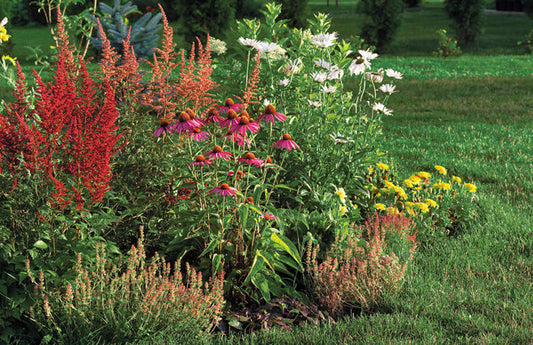
Landscaping with perennials
Read the articleVariétés à découvrir, la tomate se savoure crue, en sandwich, en bruschetta ou en salade. Cuite, c'est l'ingrédient de base de sauces, soupes et salsas.
-
Perennial Care Guide: How to Prune and Fertiliz...
Read the articleRevitalize your garden beds and extend your flowering season with our simple pruning and fertilizing techniques tailored for local hardiness zones.
-
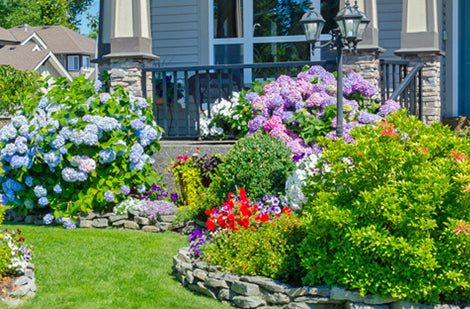
How to plant perennials in your garden
Read the articleEn pénétrant au jardin, ce sont souvent les plantes vivaces que l’on remarque en premier. Un massif de sauges, d’hémérocalles, d’astilbes, d’échinacées ou de lavande offre un spectacle d’une beauté...