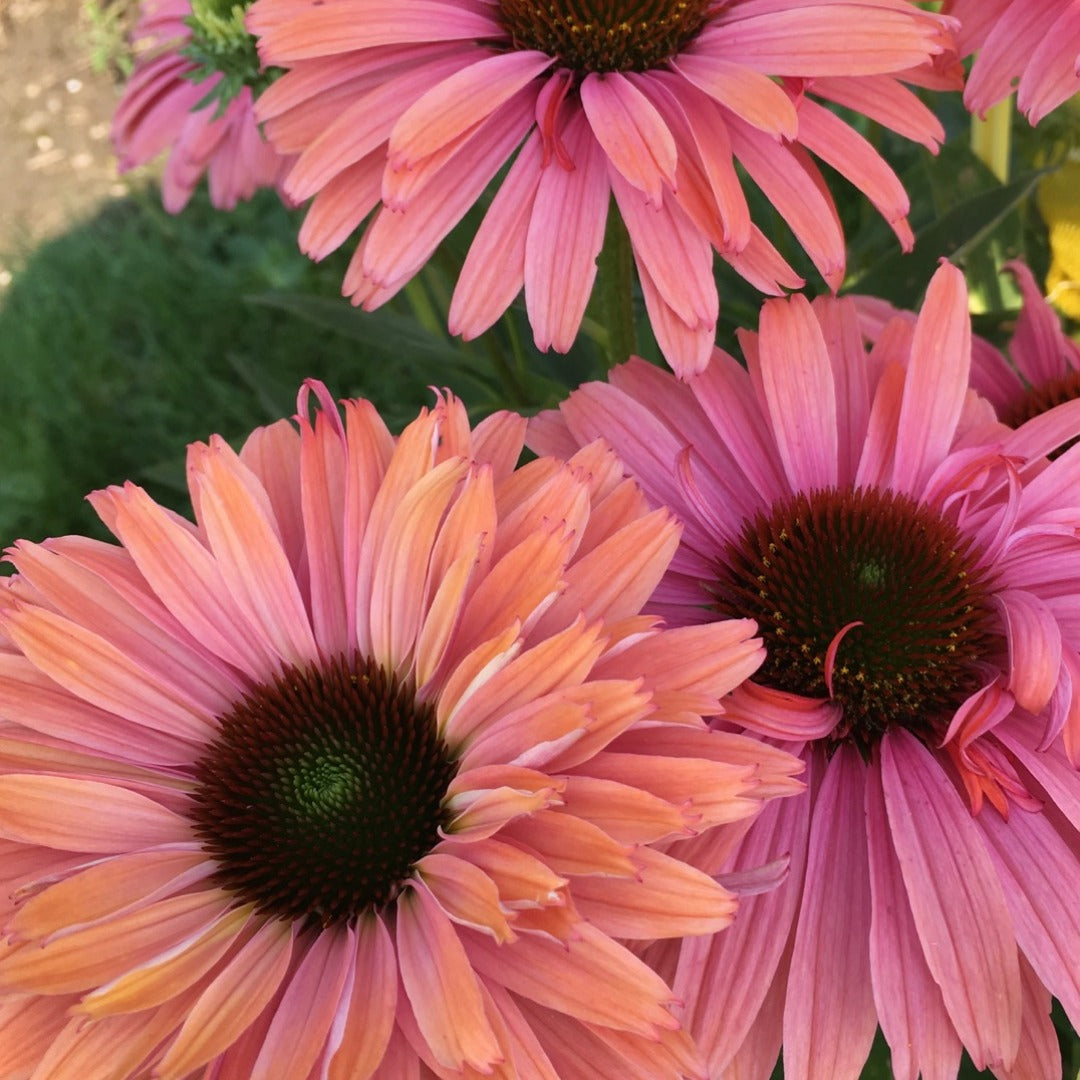
Inject a burst of fruity freshness into your landscape with the Pink Grapefruit Coneflower. This zesty variety instantly charms with its bold bicolour double blooms, blending a vibrant grapefruit pink with warm coral undertones. Its sturdy stems and compact silhouette make it a top choice for energizing tight spaces or sunny patio containers, offering tireless flowering that retains its full brilliance even under the intense summer sun. #JardineriesBotanix
Characteristics
Foliage: Features rich, dark green lanceolate leaves that provide a striking, high-contrast backdrop for the vibrant petals.
Flowering: Produces spectacular double flowers consisting of a large coral-pink central pompon surrounded by radiating grapefruit-pink petals.
Light: Requires full sun to maximize flower density and stem strength.
Habit: Exhibits a compact, bushy, and solidly branched growth habit.
Growth: Reaches a mature height and spread of approximately 45 to 60 cm.
Soil: Prefers rich, well-drained soil but shows great adaptability to various conditions once established.
Temperature: Extremely hardy and reliable for northern climates (Zone 4).
Resistances: Stands up well to heat and moderate drought while showing good resistance to common diseases.
Use
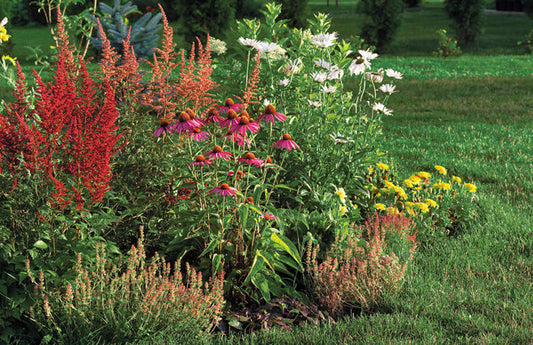
Types of use: Shines in mass plantings, garden borders, or as a focal point in patio containers.
Decorative advantages: Adds rich texture and a refreshing bicolour palette to any sunny arrangement.
Maintenance
Watering: Water regularly during the first growing season; thereafter, allow the soil surface to dry slightly between waterings.
Fertilization: Apply a granular perennial fertilizer in early spring to support vigour.
Pruning: Deadhead spent blooms to encourage continuous production and cut stems back to ground level in early spring.
Planting: Space plants 45 to 50 cm apart in soil enriched with organic compost.
Winter Protection: Apply a layer of organic mulch at the base to protect the crown during the first few winters.
Osez créer des associations inédites qui sauront refléter votre personnalité, même si pour cela vous deviez déplacer certaines vivaces pour mieux les mettre en valeur.
Variétés à découvrir, la tomate se savoure crue, en sandwich, en bruschetta ou en salade. Cuite, c'est l'ingrédient de base de sauces, soupes et salsas.
En pénétrant au jardin, ce sont souvent les plantes vivaces que l’on remarque en premier. Un massif de sauges, d’hémérocalles, d’astilbes, d’échinacées ou de lavande offre un spectacle d’une beauté...