Phalaenopsis
Phalaenopsis spp. – Moth Orchid (1-2 stems) with Ceramic Pot
Exposure
- Bright light without direct sun
Rusticity
Bloom time
- January
- February
- March
- April
- May
- June
- July
- August
- September
- October
- November
- December
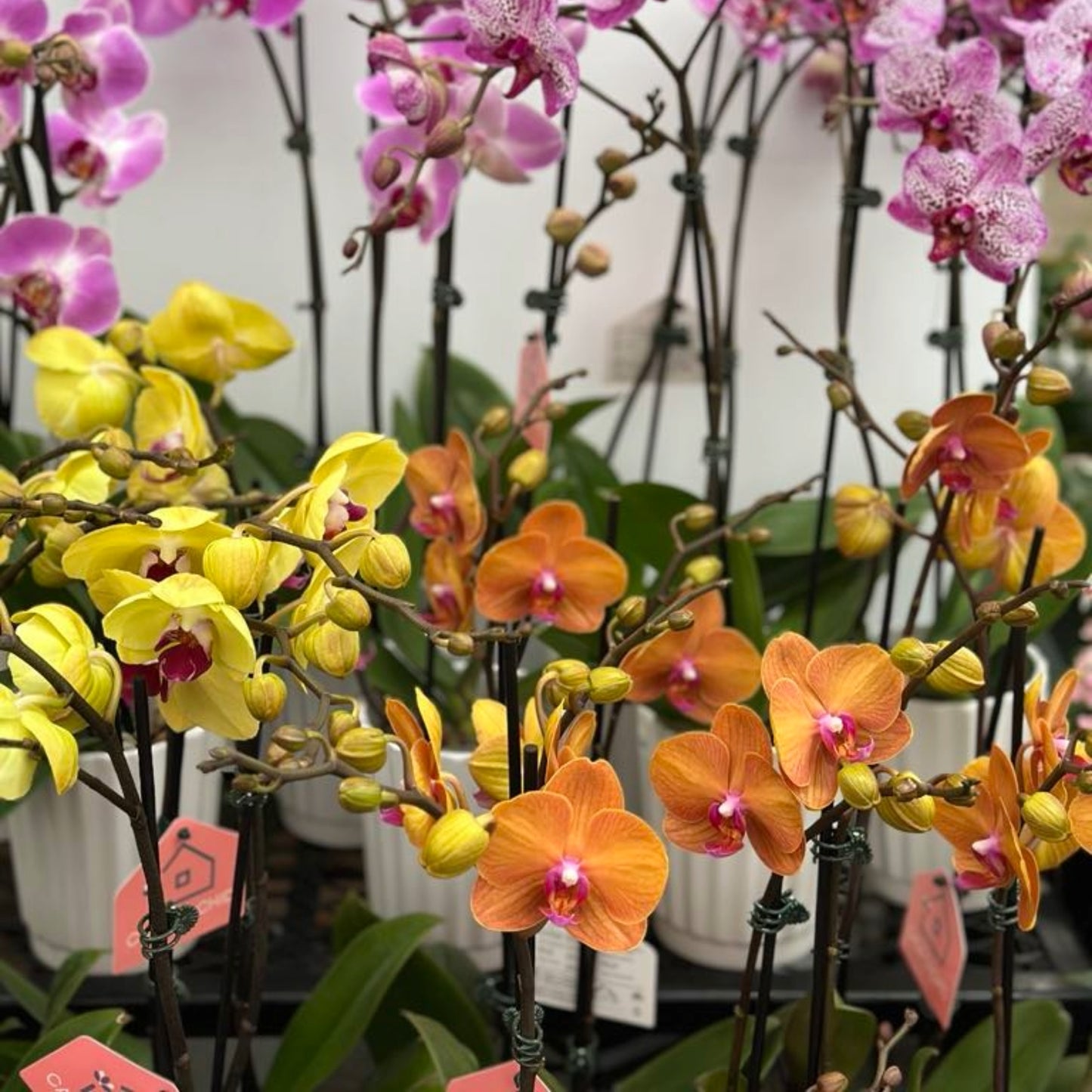
- Elegant orchid 1-2 stems
- Chic ceramic pot included
- Exotic beauty for your interior
- Easy maintenance for beginners
- Perfect and lasting gift
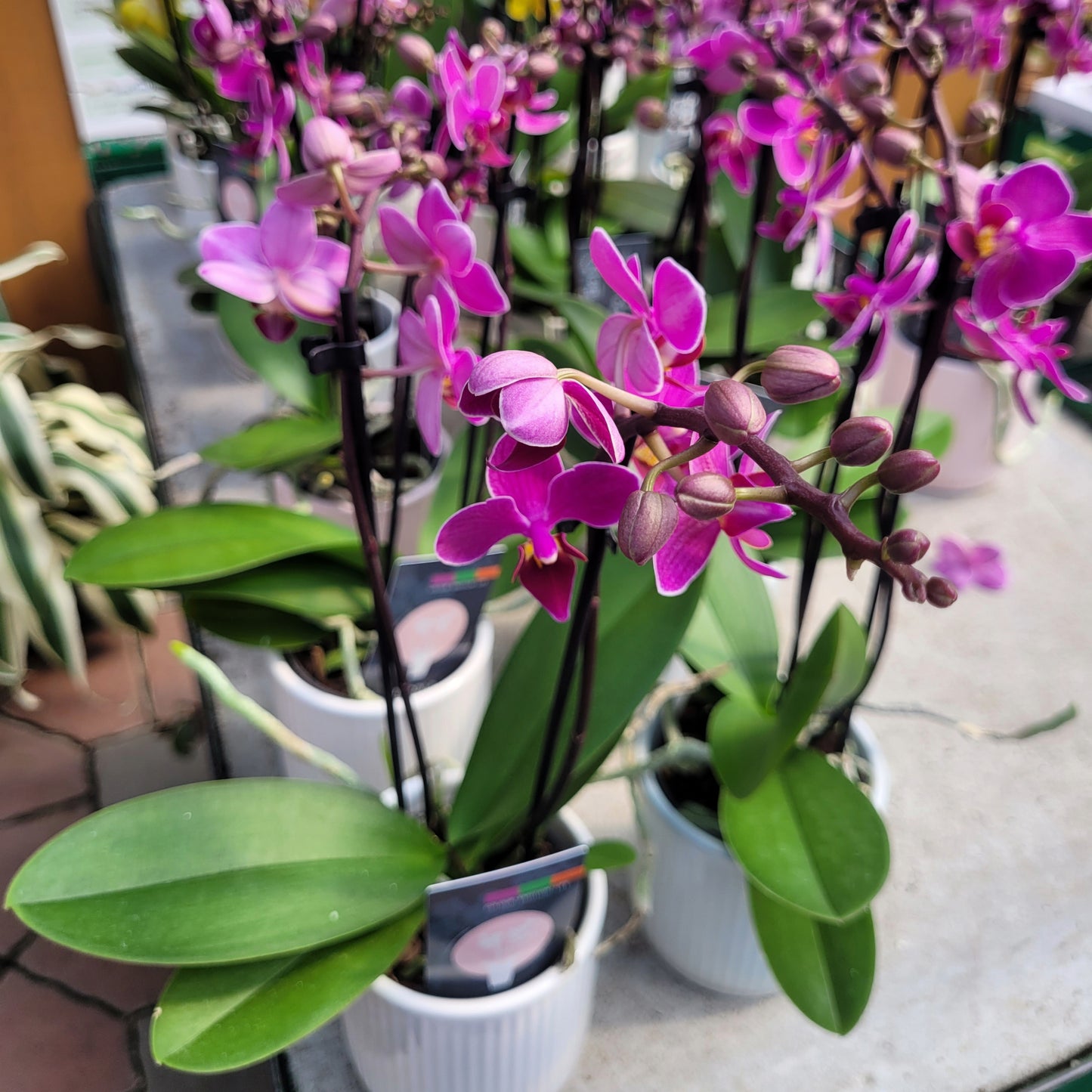
The ultimate symbol of elegance and refinement, the Phalaenopsis orchid instantly transforms your decor into a tropical sanctuary. Its graceful floral spikes, bearing one or two stems laden with delicate butterfly-like blooms, offer exceptionally long-lasting flowering. Presented in its stylized ceramic pot, it serves as a living architectural element, perfect for punctuating a space with light and serenity.
Characteristics
- Foliage: Fleshy, wide, and leathery lustrous green leaves, arranged in a rosette at the base.
- Flowering: Spectacular and long-lasting flowers (several months). Varied colors from pure white to vibrant purples.
- Light: Requires bright but indirect light. Avoids direct sun which can scorch the foliage.
- Habit: Upright for the flower spikes and compact for the leaf rosette.
- Growth: Slow, producing one to two new leaves per year.
- Potting Soil: Requires an ultra-draining substrate like pine bark or a specialized orchid mix.
- Temperature and Humidity: Thrives between 18°C and 24°C. Appreciates medium to high ambient humidity.
- Resistances: Excellent indoor resistance if watering is well managed.
Use
- Types of Use: Office feature plant, sophisticated centerpiece, bright windowsill, or prestigious gift.
- Decorative Advantages: Provides vertical luxury and a floral presence that lasts much longer than cut flowers.
Maintenance
- Watering: Practice bottom watering for the culture pot about once a week. Drain thoroughly before replacing in the ceramic pot. Never leave water in the heart of the rosette.
- Fertilization: Use a specific orchid fertilizer once a month during spring and summer.
- Pruning: Cut the flower spike above the second node after flowering to encourage new growth.
- Planting: Repot every 2 years in fresh mix after the flowering period is complete.
- Winter Protection: Keep away from cold drafts near windows and intense direct heat sources.
Plant details
Dimensions
Dimensions
Characteristics
Characteristics
Habit:
- Upright
Flowering colours:
- White
- Yellow
- Multi-color
- Pink
- Red
- Purple
- Lavender
Plant needs
Plant needs
Watering:
- Bottom watering preferred
- Mist foliage regularly
Maintenance:
- Medium
- Fertilize regularly
- Remove spent flowers
Soil requirement:
- Orchid potting soil
- Well drained
Features
Features
Resistance:
- Low light
Attract:
Use:
- Thriller pot
- Gift
- Decoration
- Office
Attribute:
- Long flowering
- Successive flowering
- Non-Toxic Cat
- Non-Toxic Dog
- Fragrant

Related articles
-
Potting House Plants: which pot to choose
Read the articleBien qu'une plante puisse passer plusieurs mois et parfois même plusieurs années dans le même pot, avec le temps ses racines envahissent tout l'espace disponible. Il devient important de choisir...
-
Moving Up a Level: Advanced Guide to Repotting ...
Read the articlePropagate your violets! Discover the simple cutting method, the secret to the perfect soil mix, and how to fight mealybugs.
-
The Complete Guide to Buying and Caring for Ind...
Read the articleBringing a touch of nature to your home with plants is a great idea! Not only do they beautify your living space, but they also help purify the air. However,...
-
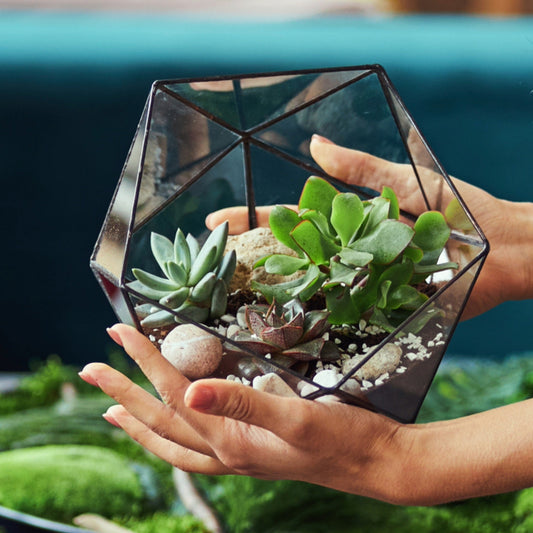
Build Your Own Terrarium: The Complete, Easy Gu...
Read the articleThe terrarium is the perfect addition to your decor! Learn how to easily create your own miniature garden with our complete guide.
-
Create a garden with succulents
Read the articleLes plantes grasses n’ont pas leur pareil pour créer des arrangements à la fois impressionnants par leurs couleurs, leurs formes et leurs textures et faciles à entretenir. Qu’on les agence...
-
Houseplants to discover - Butterfly Palm or Are...
Read the articleDypsis lutescens, anciennement Chrysalidocarpus lutescens