Nematanthus nervosus
Nematanthus nervosus – Nematanthus (Goldfish Plant)
Exposure
- Bright indirect light
- Medium light
Rusticity
Bloom time
- March
- April
- May
- June
- July
- August
- September
- October
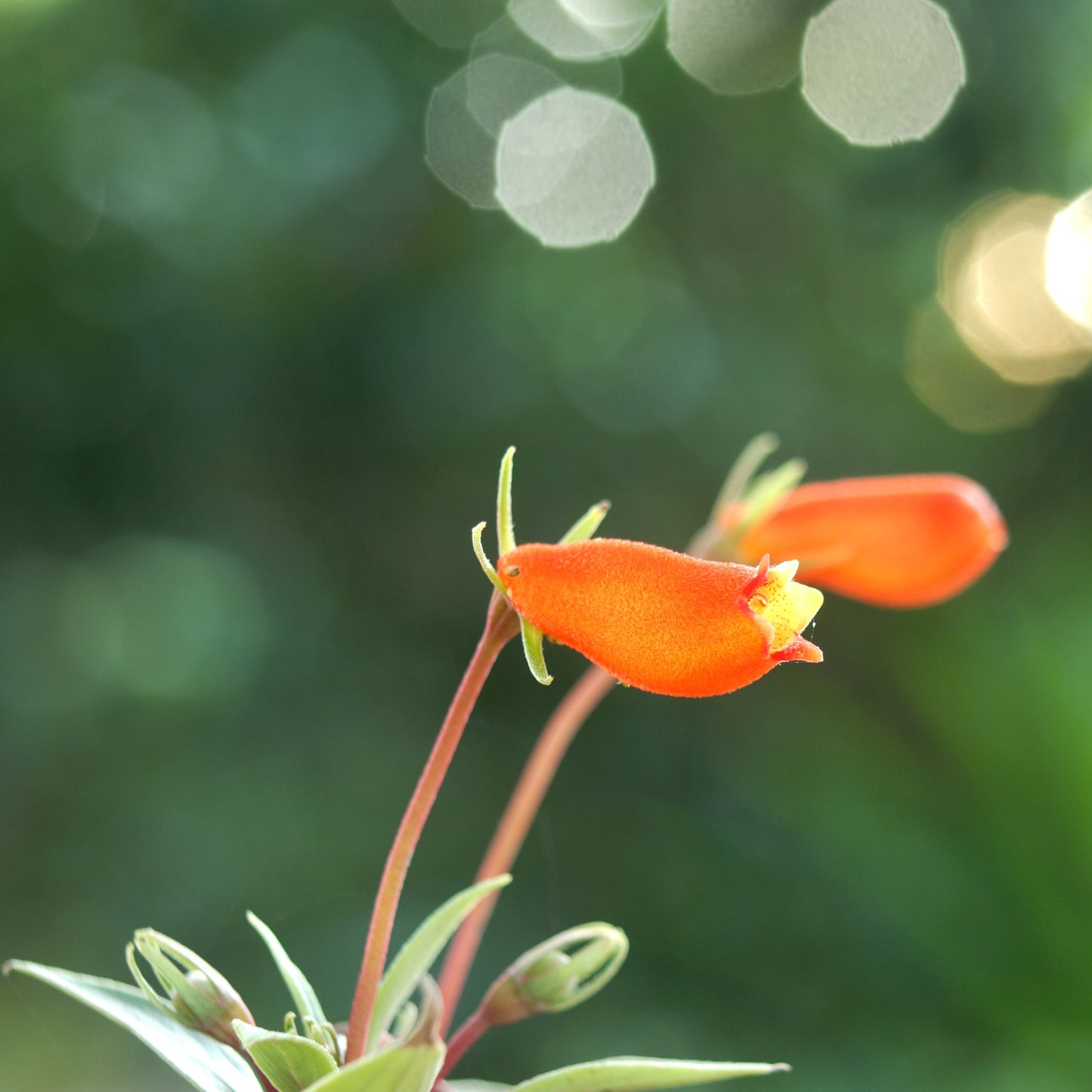
- Unique goldfish-shaped flowers
- Ultra-glossy succulent foliage
- Elegant trailing habit
- Exotic colourful blooms
- Perfect for hanging baskets
Add a touch of exotic curiosity to your home with Nematanthus nervosus. This plant is distinguished by its succulent-like, deep green, and glossy foliage, but its most striking feature is its unusual bloom: its fleshy, puffed orange flowers resemble small goldfish swimming among the leaves. Its trailing habit and hardiness make it a spectacular choice for hanging baskets or for gracing the edge of a well-lit shelf.
Characteristics
- Foliage : Small, oval, thick, and waxy leaves of a saturated dark green, remaining evergreen year-round.
- Flowering / Stems : Swollen tubular bright orange flowers emerging from the leaf axils on flexible, trailing stems.
- Light : Prefers bright indirect light; avoid direct scorching sun which can damage the foliage.
- Habit : Trailing and spreading, ideal for viewing from below.
- Growth : Moderate; stems can reach 30 to 60 cm in length.
- Soil : Light, very well-drained mixture rich in organic matter.
- Temperature : Tropical indoor plant; maintain between 18°C and 24°C.
- Resistances : Good resistance to pests when ambient humidity is adequate.
Use
- Types of use : Primarily used in hanging baskets or elevated decorative pots.
- Decorative advantages : Its sculptural appearance and playful flowers create a unique focal point in any indoor plant collection.
Maintenance
- Watering : Water moderately. Allow the top 2 cm of soil to dry out between waterings.
- Fertilization : Apply a balanced indoor plant fertilizer once a month from spring to autumn.
- Pruning : Lightly prune after flowering to encourage denser, bushier growth.
- Planting : Repot every two to three years into a slightly larger container.
- Winter Protection : Keep away from temperatures below 15°C and slightly reduce watering during winter.
Plant details
Dimensions
Dimensions
Characteristics
Characteristics
Habit:
- Retombant
- Étalé
Flowering colours:
- Orange
Plant needs
Plant needs
Watering:
- Moderate
Maintenance:
- Medium
- Fertilize regularly
Soil requirement:
- Rich
- Well-drained
- Adaptable
Features
Features
Resistance:
- Heat
Attract:
Use:
- Hanging basket
- Pot – trailing
- Planter
Attribute:
- Slow growth
- Shade-tolerant
- Unique
- Long blooming

Related articles
-
Potting House Plants: which pot to choose
Read the articleBien qu'une plante puisse passer plusieurs mois et parfois même plusieurs années dans le même pot, avec le temps ses racines envahissent tout l'espace disponible. Il devient important de choisir...
-
Moving Up a Level: Advanced Guide to Repotting ...
Read the articlePropagate your violets! Discover the simple cutting method, the secret to the perfect soil mix, and how to fight mealybugs.
-
The Complete Guide to Buying and Caring for Ind...
Read the articleBringing a touch of nature to your home with plants is a great idea! Not only do they beautify your living space, but they also help purify the air. However,...
-
Build Your Own Terrarium: The Complete, Easy Gu...
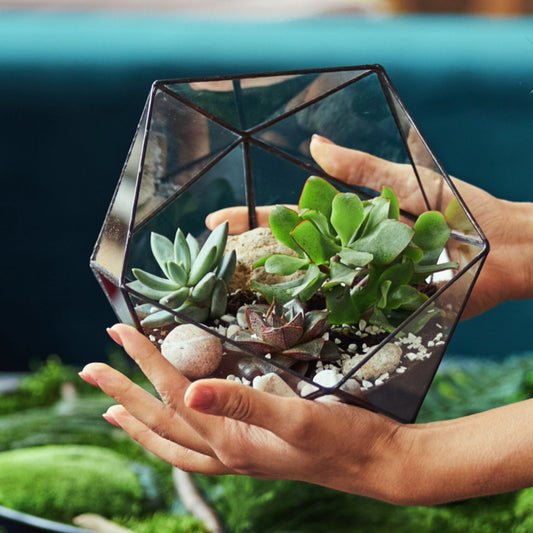
Read the articleThe terrarium is the perfect addition to your decor! Learn how to easily create your own miniature garden with our complete guide.
-
Create a garden with succulents
Read the articleLes plantes grasses n’ont pas leur pareil pour créer des arrangements à la fois impressionnants par leurs couleurs, leurs formes et leurs textures et faciles à entretenir. Qu’on les agence...
-
Houseplants to discover - Butterfly Palm or Are...
Read the articleDypsis lutescens, anciennement Chrysalidocarpus lutescens