Bold and brilliant, the Dahlia LABELLA® Maggiore Fun Pomegranate transforms your outdoor spaces into a true festival of color. Its massive double blooms feature a unique bicolor gradient, blending shades of ripe pomegranate and cyclamen pink to create a striking visual impact. This variety stands out for its robustness and exceptional flowering generosity from early summer onward, delivering a professional-grade floral display without complex maintenance requirements.
Characteristics
Foliage : Features deeply lobed mid-to-dark green leaves, forming a dense mound that beautifully sets off the warm tones of the flowers.
Flowering : Produces an abundance of bicolor double flowers, reminiscent of the rich nuances of a pomegranate. Blooming begins in June and continues vigorously until the first autumn frosts.
Light Requirements : Requires full sun (minimum 6 hours per day) to ensure intense coloration and a sturdy structure.
Habit : Displays a bushy, compact, and upright habit, ideal for small spaces and containers.
Growth : Exhibits rapid growth, reaching full maturity in just a few weeks.
Soil : Thrives in fertile, humus-rich, and above all, well-drained soil.
Temperature : Non-hardy perennial (Zone 8); must be treated as an annual or stored indoors in Canada during winter.
Resistance : Shows excellent tolerance to heat and windy conditions thanks to its strong stems.
Use
Types of use : Shines as a star plant in patio containers, along garden borders, or to punctuate flower beds with splashes of color.
Decorative advantages : Offers a rare bicolor contrast that instantly catches the eye and energizes landscaping arrangements.
Maintenance
Watering : Water thoroughly and regularly, keeping the soil moist but never waterlogged.
Fertilization : Fertilize every two weeks with a liquid flower fertilizer to support the continuous production of large buds.
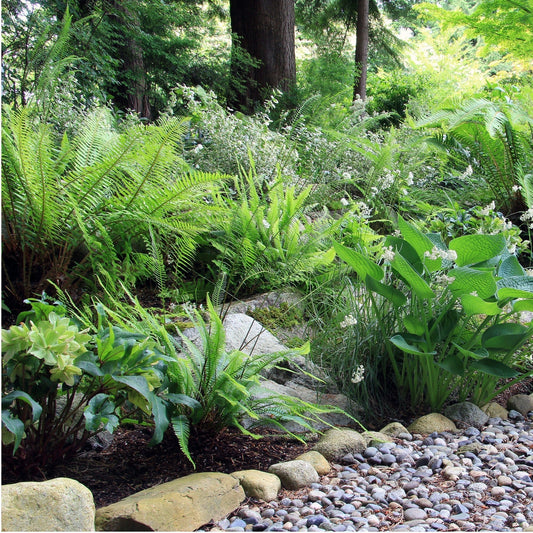
Who says shade can't be gourmet? Learn how to blend stunning perennials, native plants, and leafy greens to create a spectacular, eco-friendly shade garden.
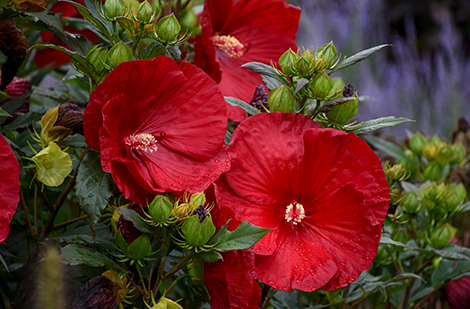
Les hibiscus sont une façon simple et rapide d’ajouter une touche d’exotisme dans la cour ou sur la terrasse. Offertes dans une panoplie de couleurs vibrantes, les immenses fleurs nous...
Si les herbes ornementales sont devenues des incontournables au jardin, elles constituent également une tendance certaine pour la culture en pot. Elles peuvent répondre à une grande variété de besoins...
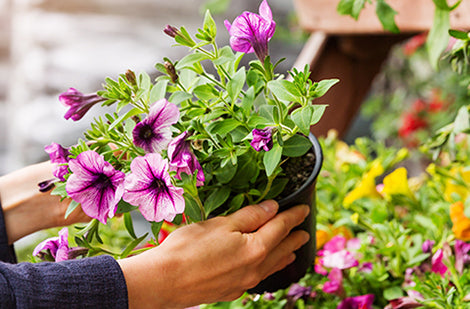
Les annuelles se cultivent très bien en contenant et décorent les terrasses, les balcons et le patio. L'important est de choisir la bonne plante pour chaque emplacement et le bon...