Bring the timeless beauty and delightful fragrance of roses into your Canadian home with the 'RosAroma®' series of indoor roses. Bred for their compact size and remarkable scent, these miniature roses offer a touch of elegance and a burst of aroma to any living space. Roses have a rich cultural history, symbolizing love and beauty across many civilizations, and now you can enjoy their charm indoors, even during the long Canadian winters.
Main Features:
Interesting Attribute: Its primary interesting attribute is its strong and pleasant fragrance, unusual for many indoor plants, allowing you to enjoy the classic rose scent indoors.
Flowering: Available in a range of colours, including pink, cream, white, and blends. Specific colours vary by cultivar within the Rosa 'RosAroma®' series. Repeat blooming occurs successively throughout the growing season, generally from spring through fall with proper care.
Foliage: Semi-glossy and leathery, with a medium to dark green colour.
Growth Habit: Compact and often upright, ideal for growing in pots.
Growth Rate: Moderate.
Care and Cultivation Tips:
Light: Provide bright, indirect light, ideally from a south or east-facing window. Aim for at least 6 hours of good light per day.
Soil: Use a well-draining potting mix. A mix formulated for roses or general-purpose potting mix amended with perlite is suitable.
Watering: Water regularly when the top inch of soil feels dry to the touch. Ensure the pot has drainage holes to prevent waterlogging. Avoid overhead watering to minimize the risk of fungal diseases.
Fertilization: Fertilize every 2-4 weeks during the active growing season (spring and summer) with a balanced liquid fertilizer diluted to half strength. Reduce or cease fertilization during the fall and winter.
Temperature and Humidity: Maintain average indoor temperatures between 18-24°C (65-75°F). Avoid placing the plant near drafts or extreme temperature fluctuations. While they can tolerate average indoor humidity, they appreciate slightly higher humidity levels, especially during dry winter months. You can increase humidity by using a humidifier or placing the pot on a pebble tray filled with water.
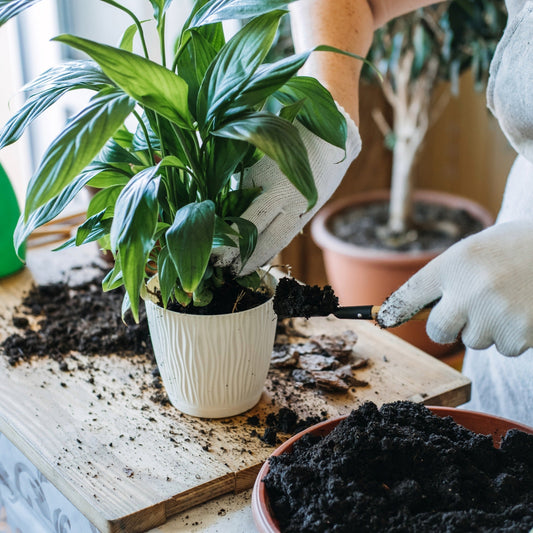
Repotting: Repot in the spring when the plant becomes root-bound, typically every 1-2 years. Choose a pot that is slightly larger than the previous one with good drainage.
Usage:
Used as a potted plant for tabletops, windowsills, and other indoor spaces. Their compact size also makes them suitable for small decorative containers.