Hippeastrum spp.
Hippeastrum - Amaryllis
Exposure
- Bright indirect light
Bloom time
- November
- December
- January
- February
- Giant dramatic blooms throughout mid-winter
- Fast-growing bulb with effortless indoor success
- Stately upright stems with multiple flowers
- Stunning long-lasting cut or potted display
- Perennial bulb easily prompted to rebloom
The undisputed royalty of winter indoor blooms, the Amaryllis (Hippeastrum) transforms indoor living spaces with dramatic, statuesque elegance. Native to tropical regions of South America, this bold bulbous perennial sends up one or more hollow, vigorous floral scapes crowned by massive trumpet-shaped flowers in an array of saturated hues. Easy to grow and quick to flower indoors during winters, it serves as an unforgettable living gift and a holiday focal point.
Characteristics
- Bloom: Yields 4 to 6 colossal trumpet-like blossoms per stalk, spanning 15 to 25 cm across, available in deep velvety red, crisp white, pink, rich salmon, burgundy, or striking striped bicolors.
- Flowering Period: Blooms from late fall through mid-winter (November to February), typically unfolding 6 to 8 weeks after planting the bulb.
- Foliage: Produces broad, strap-shaped, fleshy green leaves that emerge concurrently with or immediately following the flower stalks.
- Habit: Stately, tall, and architectural, bearing an impressive floral crown.
- Light: Demands abundant bright indirect light; rotate the container regularly to encourage a straight, sturdy stem.
Use
- Style & Placement: Feature it as an eye-catching centerpiece on a holiday dining table, atop a sideboard, or along a sunlit windowsill.
- Decorative Benefits: Its thick hollow stems make exceptional long-lasting luxury cut flowers in tall glass cylinders or styled inside heavy ceramic pots.
Care & Success
- Bulb Planting: Select a sturdy, heavyweight container that leaves approximately 3 to 5 cm of space between the bulb and pot rim. Plant the bulb with its top third exposed above the soil surface and firm the potting mix securely.
- Watering: Water sparingly upon potting, then withhold most moisture until the green tip of the flower bud emerges at least 5 cm above the bulb shoulder. Once actively growing, water thoroughly with lukewarm water whenever the top inch of mix dries out; never pour water directly onto the bulb neck.
- Prolonging Flowers: To extend bloom longevity, keep flowering stalks away from direct heat registers, fireplaces, and drafty exterior doors. Provide staking if necessary to support the weighty floral cluster.
- Potting Soil: Requires a rich, loose, fast-draining potting medium containing peat moss and perlite.
- Fertilizing: Feed with a water-soluble flowering plant food diluted to half strength every two to three weeks once blooms begin opening and throughout spring foliage development.
- Toxicity: Toxic to cats and dogs; bulbs contain lycorine alkaloids that cause digestive upset if ingested.
How to Rebloom Amaryllis Next Season
Amaryllis bulbs store vital energy through their green leaves for the subsequent flowering cycle. Follow this simple three-phase seasonal guide:
- Foliage Development (Late Winter to Spring): Once blooms fade, trim the flower stalk 2 to 3 cm above the bulb while preserving all green leaves. Continue watering and feeding regularly so the leaves can feed the bulb.
- Summer Vacation (June to August): Move the potted bulb outdoors to partial shade once overnight temperatures exceed 10°C. Water and fertilize steadily through summer to maximize bulb circumference.
- Dry Dormancy Period (Late August to October): In late summer, cease all watering and allow leaves to yellow and wither. Cut away dry foliage and store the potted or bare bulb in a cool, dark, dry place (10°C to 13°C) for 8 to 10 weeks. Awaken the bulb with warmth and light 6 to 8 weeks before your desired holiday bloom window!
Plant details
Dimensions
Dimensions
Characteristics
Characteristics
Habit:
- Upright
- Columnar
Flowering colours:
- Red
- White
- Pink
- Burgundy
- Salmon
- Bicolor
Plant needs
Plant needs
Watering:
- Low at start
- Moderate during active growth
- Allow top inch to dry
Maintenance:
- Easy
Soil requirement:
- Indoor potting soil
Features
Features
Resistance:
Attract:
Use:
- Table centerpiece
- Cut flower vase
- Flowering indoor bulb
Attribute:
- Giant flower
- Winter blooming
- Holiday décor
- Indoor bulb
- Long-lasting cut flower

Related articles
-
-
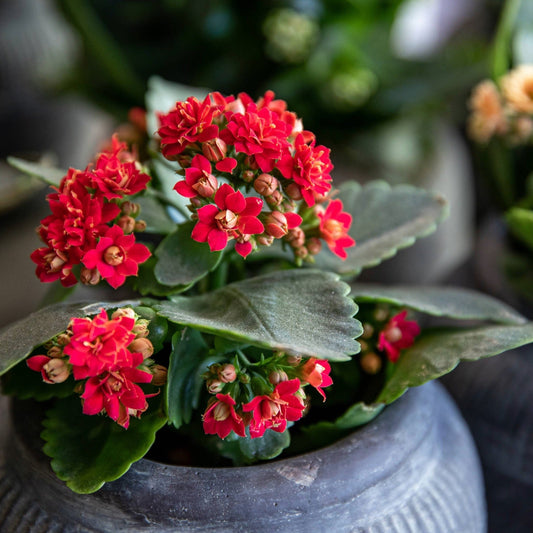
Kalanchoe: The Secret to Massive Blooms That La...
Read the articleNeed lasting colour? The Kalanchoe blooms profusely for over two months! An easy succulent that tolerates neglect and adds a vibrant touch to your home.
-
Snake Plant: The Unkillable Houseplant, Perfect...
Read the articleLooking for a robust plant that thrives on neglect? Meet the Sansevieria, the champion of clean air! Learn how to care for this striking succulent, explore fascinating varieties like 'Moonshine'...
-
Edible Flowers: Top 5 for Garden and Kitchen
Read the articleOffrant une belle gamme de couleurs, de formes et de textures, les fleurs comestibles enthousiasment les amoureux de jardinage et de cuisine.
-
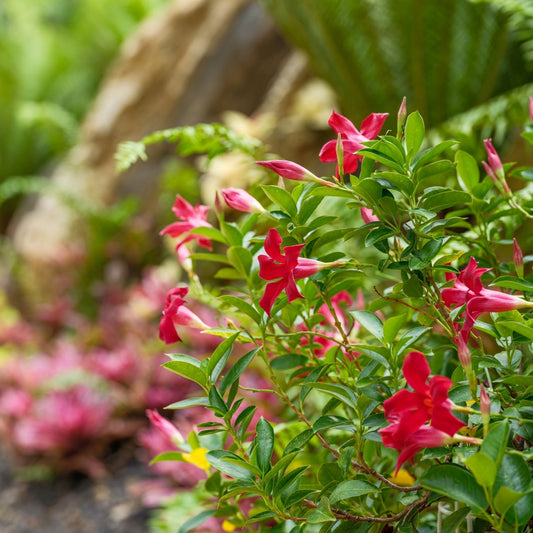
Tropical Flowering Plants: A touch of the exoti...
Read the articleDreaming of a getaway? Add these spectacular tropical plants to your outdoor decor and enjoy a summer with Southern vibes, right at home!
-
Keep a palm tree on the terrace - why not!
Read the articleIt’s hard to resist the call of the tropics when the sun and mild temperatures finally make an appearance. There is nothing better than a palm tree on the terrace...