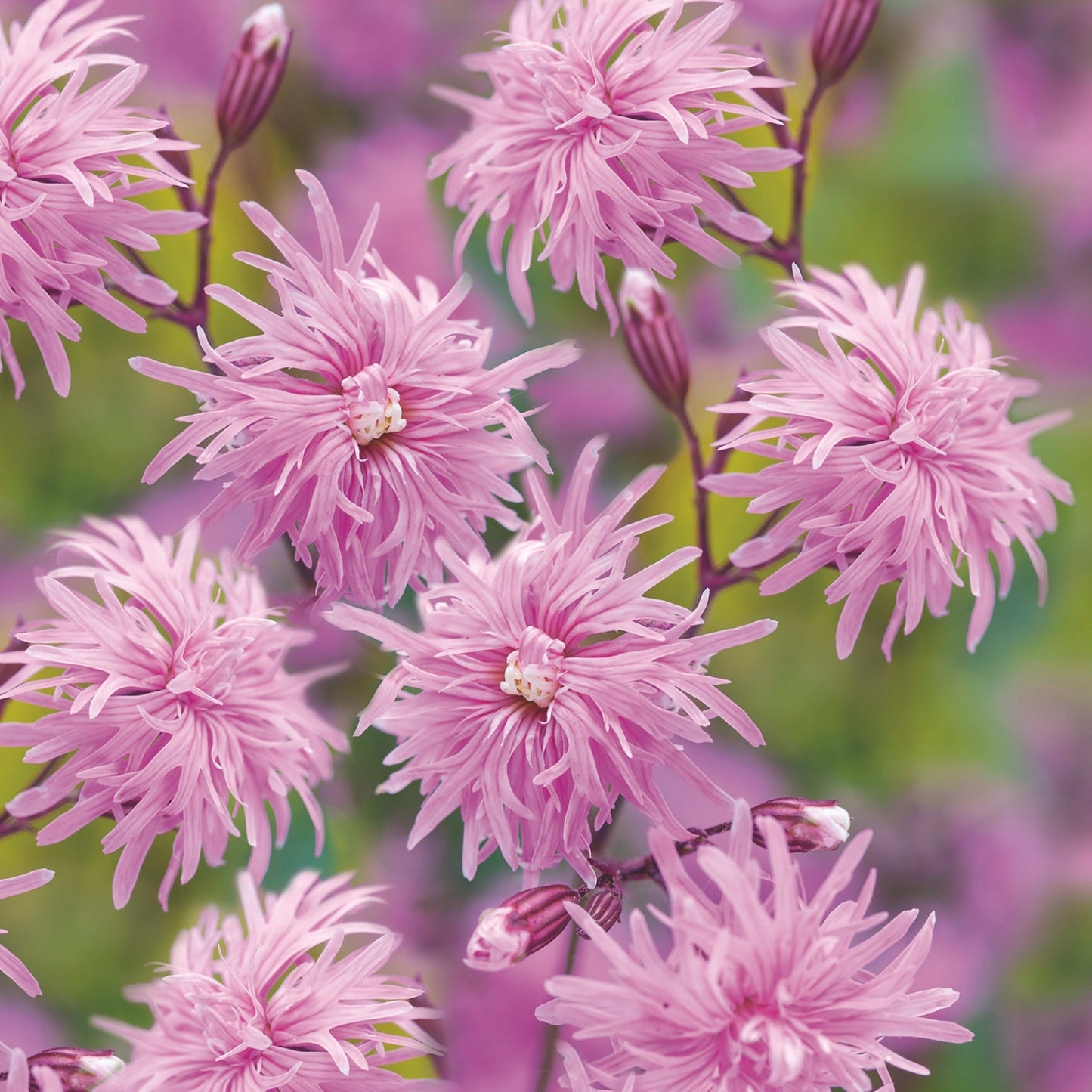
The 'Petite Jenny' Ragged Robin breathes romance and lightness into any landscape with its compact silhouette and generous bloom. This variety distinguishes itself with soft pink double flowers, finely fringed, that seem to dance above structured dark green foliage. Perfect for small spaces, it offers a sustained floral display while attracting buzzing life to the garden, all with disconcerting ease of culture.
Characteristics
Foliage : Forms dense rosettes of lance-shaped, deep green leaves. The foliage is semi-evergreen, maintaining a visual presence even during the cold season.
Flowering : Deploys a multitude of pastel pink double flowers, carried on fine, upright, and branched stems.
Light Requirements : Thrives in full sun but appreciates light shade in areas where afternoons are scorching.
Habit : Compact, bushy, and well-upright, ideal for a clean structure.
Growth : Moderate growth rate, reaching approximately 35 to 45 cm in height.
Soil : Prefers rich, moist, and well-drained soil. It tolerates moisture better than other carnation varieties.
Temperature : Excellent hardiness (Zone 4).
Resistances : Highly resistant to diseases, insect pests, and white-tailed deer.
Usage
Types of Use : Stunning for flower bed borders, in fresh rock gardens, or in containers to enhance your outdoor living spaces.
Decorative Advantages : Its misty appearance and soft colour create a soothing contrast with plants featuring bolder or darker foliage.
Maintenance
Watering: Water regularly to keep the soil moist. It should never dry out completely, especially during major heat spells.
Fertilization : Apply a balanced fertilizer for perennials in spring to support its prolonged flowering.
Pruning : Remove faded flowers as they go to stimulate the production of new buds and extend aesthetic interest until autumn.
Planting : Allow for a spacing of about 30 cm between each plant to promote optimal growth.
Winter Protection: An organic mulch in the fall helps protect the roots during freeze-thaw cycles.
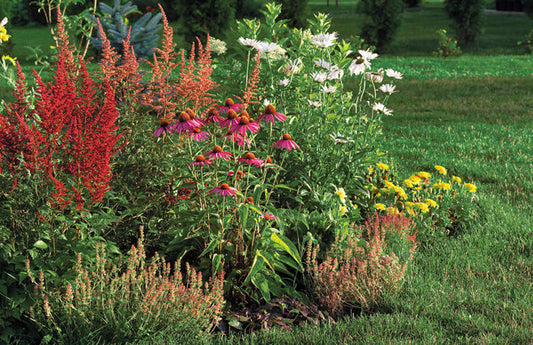
Osez créer des associations inédites qui sauront refléter votre personnalité, même si pour cela vous deviez déplacer certaines vivaces pour mieux les mettre en valeur.
Variétés à découvrir, la tomate se savoure crue, en sandwich, en bruschetta ou en salade. Cuite, c'est l'ingrédient de base de sauces, soupes et salsas.
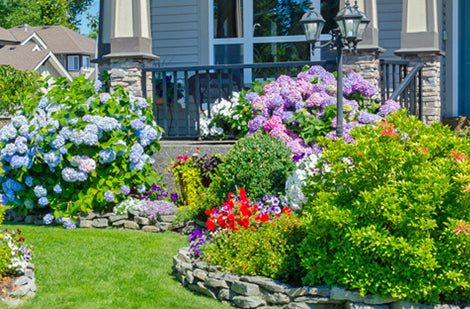
En pénétrant au jardin, ce sont souvent les plantes vivaces que l’on remarque en premier. Un massif de sauges, d’hémérocalles, d’astilbes, d’échinacées ou de lavande offre un spectacle d’une beauté...