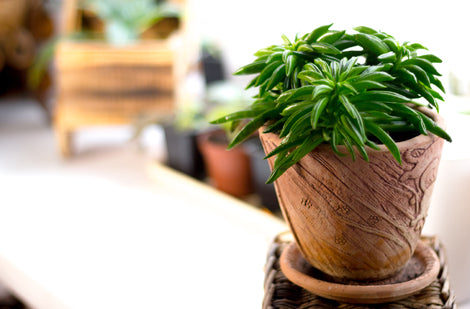
Anthurium Crystallinum Magnificum
Exposure
- Indirect bright light
Rusticity
- Deep green crystalline foliage
- Spectacular silver veining
- Rare, collector's Anthurium
- Elegant velvety appearance
- Demanding, high humidity
The Anthurium Crystallinum Magnificum is a spectacular indoor plant, highly sought after for its exceptional foliage that combines unique textures and patterns. Its large, elongated heart-shaped leaves feature a velvety deep green surface, crossed by bright, lighter green crystalline veins, creating a striking contrast. This plant is a cross between Anthurium crystallinum and Anthurium magnificum, inheriting the best characteristics of its parents. It is considered a true botanical gem, adding a touch of natural elegance and rarity to any collection. Its care requires special attention, but the beauty of its foliage is well worth the effort.
Key Features
- Foliage: Large, velvety, elongated heart-shaped leaves, deep green with bright light green veins, giving a "crystalline" appearance.
- Habit: Upright, with large leaves that gracefully unfold, often more erect than the Anthurium 'King of Clarinervium'.
- Growth: Slow to moderate, may take time to reach its full size.
- Care: Demanding, requires high humidity, stable temperature, and good air circulation.
- Flowering: Rare indoors, typical Anthurium flowers, generally of no ornamental interest compared to the beauty of the foliage.
Care Tips
- Light: Bright indirect light is ideal. Avoid direct sunlight which can burn its precious leaves. A location near an east or west-facing window with a sheer curtain is often perfect.
- Watering: Keep the potting mix slightly moist at all times, never allowing it to dry out completely or become waterlogged. Use lukewarm, non-calcareous water for watering. Check the soil moisture by inserting your finger about two centimeters deep.
- Soil: A well-draining and airy mix is crucial. A high-quality orchid mix or a mix specifically designed for Anthuriums, enriched with perlite and pine bark, is often recommended.
- Humidity: Humidity is paramount for this tropical beauty. Aim for high ambient humidity (between 70% and 80%). The use of a humidifier is strongly advised, especially during dry months. You can also place the plant on a pebble tray with water or grow it in a greenhouse or grow cabinet.
- Temperature: Prefers warm temperatures, between 20°C and 30°C (68°F and 86°F). Avoid cold drafts and temperature fluctuations that can stress the plant.
- Fertilization: During the growing season (spring and summer), fertilize every two to four weeks with a balanced liquid fertilizer for indoor plants, diluted to half strength. Stop fertilizing in fall and winter when growth slows down.
Plant details
Dimensions
Dimensions
Characteristics
Characteristics
Habit:
Flowering colours:
Plant needs
Plant needs
Watering:
- Allow the soil to dry slightly between waterings.
Maintenance:
Soil requirement:
- Well-drained, tropical plant potting soil
Features
Features
Resistance:
Attract:
Use:
- Indoor ornamental plant
Attribute:
- Unique and decorative foliage

Related articles
-
-
Kalanchoe: The Secret to Massive Blooms That La...
Read the articleNeed lasting colour? The Kalanchoe blooms profusely for over two months! An easy succulent that tolerates neglect and adds a vibrant touch to your home.
-
Snake Plant: The Unkillable Houseplant, Perfect...
Read the articleLooking for a robust plant that thrives on neglect? Meet the Sansevieria, the champion of clean air! Learn how to care for this striking succulent, explore fascinating varieties like 'Moonshine'...
-
Edible Flowers: Top 5 for Garden and Kitchen
Read the articleOffrant une belle gamme de couleurs, de formes et de textures, les fleurs comestibles enthousiasment les amoureux de jardinage et de cuisine.
-
Tropical Flowering Plants: A touch of the exoti...
Read the articleDreaming of a getaway? Add these spectacular tropical plants to your outdoor decor and enjoy a summer with Southern vibes, right at home!
-
Keep a palm tree on the terrace - why not!
Read the articleIt’s hard to resist the call of the tropics when the sun and mild temperatures finally make an appearance. There is nothing better than a palm tree on the terrace...