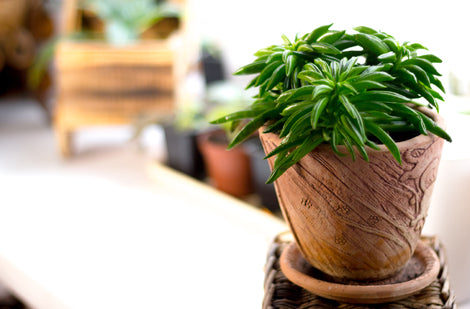
Alocasia Sinuata
Alocasia sinuata
Alocasia sinuata
Exposure
- Bright indirect light
- Unique quilted foliage
- Rare and sought after
- Beautiful houseplant
- Adapted to humidity
- Bright indirect light
The Alocasia sinuata is a prized tropical indoor plant renowned for its unique and textured foliage. Native to the limestone forests of the Philippines, this beauty showcases glossy leaves with a bullate surface, giving them an embossed appearance. Leaves emerge light green and darken to deep green, often with darker veins that enhance the quilted effect. With a mature size reaching around 35 cm (14 inches) in height and leaves of 20-25 cm (8-10 inches) in length, the Alocasia sinuata is a remarkable addition to any plant collection.
Key Features
- Foliage: Glossy, deep green leaves with a distinctive bullate surface that gives them a quilted or embossed look. Veins are often darker, enhancing the pattern.
- Habit: Herbaceous, upright plant.
- Growth: Generally considered moderate.
- Care: Relatively easy for a tropical plant, requires attention to watering and humidity.
- Appeal: Its textured foliage and unique appearance make it highly sought after by collectors.
Care Tips
- Light: Prefers bright, indirect light. Avoid direct sunlight that can scorch the leaves. A spot near an east or west-facing window is ideal. If natural light is insufficient, a grow light can be used.
- Soil: Requires a well-draining mix rich in organic matter. A potting mix designed for tropical plants with added perlite is recommended for good drainage.
- Watering: Keep the soil evenly moist but not waterlogged. Allow the top 5-7 cm (2-3 inches) of soil to dry out between waterings to prevent overwatering and root rot. This plant is not drought-tolerant, and prolonged dryness can lead to brown leaf edges.
- Humidity: Requires high humidity, ideally 50% or higher. Increase humidity by misting the plant frequently, placing it near other plants, or on a pebble tray filled with water.
- Temperature: Prefers temperatures between 18-25°C (65-77°F). Avoid sudden temperature changes and cold drafts.
- Fertilization: Fertilize lightly during the growing season (spring and summer) with a balanced indoor plant fertilizer about once every two to four weeks. Reduce or stop fertilizing in fall and winter.
- Pruning: Generally not necessary, except to remove any yellowing or damaged leaves.
Plant details
Dimensions
Dimensions
Characteristics
Characteristics
Habit:
Flowering colours:
Plant needs
Plant needs
Watering:
- Tolerates wet soil
- Requires well-drained soil
Maintenance:
- Easy
- Fertilize regularly
Soil requirement:
Features
Features
Resistance:
Attract:
Use:
Attribute:
- New
- Slow Growth

Related articles
-
-
Kalanchoe: The Secret to Massive Blooms That La...
Read the articleNeed lasting colour? The Kalanchoe blooms profusely for over two months! An easy succulent that tolerates neglect and adds a vibrant touch to your home.
-
Snake Plant: The Unkillable Houseplant, Perfect...
Read the articleLooking for a robust plant that thrives on neglect? Meet the Sansevieria, the champion of clean air! Learn how to care for this striking succulent, explore fascinating varieties like 'Moonshine'...
-
Edible Flowers: Top 5 for Garden and Kitchen
Read the articleOffrant une belle gamme de couleurs, de formes et de textures, les fleurs comestibles enthousiasment les amoureux de jardinage et de cuisine.
-
Tropical Flowering Plants: A touch of the exoti...
Read the articleDreaming of a getaway? Add these spectacular tropical plants to your outdoor decor and enjoy a summer with Southern vibes, right at home!
-
Keep a palm tree on the terrace - why not!
Read the articleIt’s hard to resist the call of the tropics when the sun and mild temperatures finally make an appearance. There is nothing better than a palm tree on the terrace...